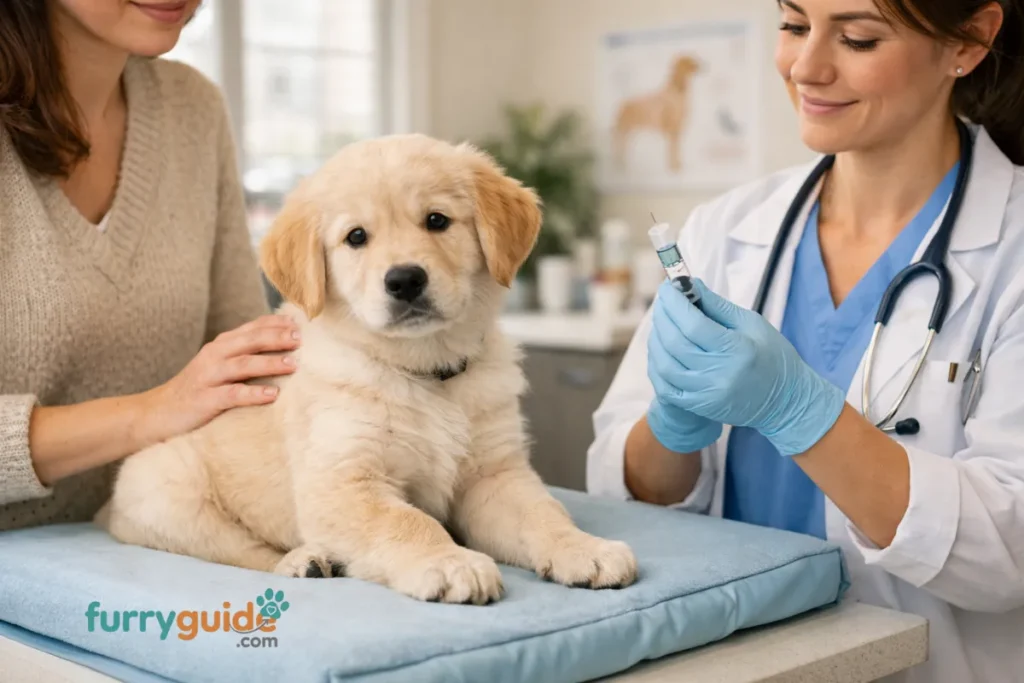
When you bring a dog into your life, one of the first responsibilities that often feels confusing is vaccination. Many pet parents remember standing at the vet clinic with a long vaccination chart in hand, unsure about which vaccine is needed, when it should be given, and why it matters so much. This confusion is completely normal especially for first-time dog owners.
From real pet-parent experience, vaccination is not just a routine medical step; it is the foundation of a dog’s long-term health. Many serious diseases that affect dogs don’t show clear early symptoms, and by the time they become visible, treatment can be difficult or stressful for both the dog and the owner. Vaccines quietly prepare your dog’s immune system in advance, helping them fight off infections before they ever become dangerous.
This FurryGuide on the dog vaccination schedule is written to make things simple and practical. Instead of just listing vaccines, we explain what each vaccine does, why it is important at different life stages, and how following the right schedule protects your dog over time. Whether you have a young puppy, an adult dog, or a senior companion, understanding vaccination helps you make confident, informed decisions about your dog’s health.
Table of Content
Table of Contents
What Are Dog Vaccinations and Why Do They Matter?
Dog vaccines are biological preparations that help the immune system recognize and fight specific diseases. When a vaccinated dog is exposed to a virus or bacteria later in life, their immune system can respond quickly, often preventing illness entirely or reducing its severity.
Vaccinations matter because many canine diseases:
- Spread easily between dogs
- Survive in the environment for long periods
- Cause severe illness or death
- Have no reliable cure
Even indoor dogs or dogs with limited exposure can be at risk, as some viruses are carried on shoes, clothing, or shared surfaces. Vaccination is not only about protecting one dog, it also helps reduce the spread of disease in the wider dog population, and here dog vaccination schedule helps in tracking.
Core vs Non-Core Vaccines: Understanding the Difference
Not all vaccines are the same, and not every dog needs every vaccine. Veterinarians generally classify dog vaccines into core and non-core categories.
Core vaccines
Core vaccines are considered essential for all dogs, regardless of lifestyle, because the diseases they protect against are widespread, severe, or pose public health risks.
Non-core vaccines
Non-core vaccines are recommended based on a dog’s environment, lifestyle, travel habits, and exposure risk. For example, dogs that frequently visit parks, daycare facilities, or boarding kennels may need additional protection.
Understanding this distinction helps pet parents avoid unnecessary vaccinations while ensuring critical protection is never missed.
Puppy Vaccination Schedule: Building Early Immunity
Puppies are born with temporary immunity passed from their mother, but this protection fades within the first few weeks of life. That’s why puppies require a series of vaccinations, not just a single shot.
The early dog vaccination schedule helps bridge the gap between maternal immunity and the puppy’s own immune response.
Puppy Vaccination Schedule (General Guideline)
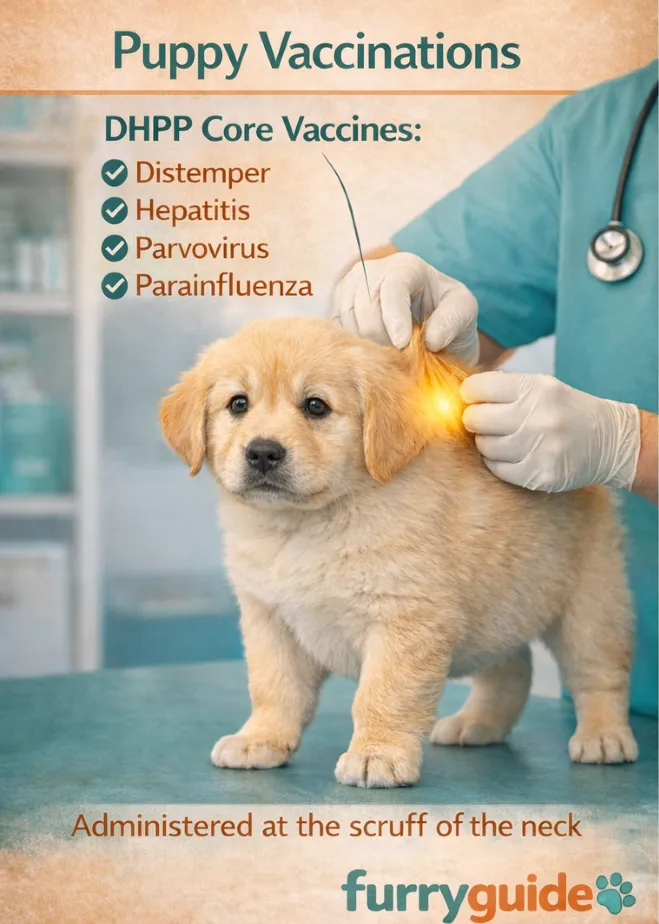
| Puppy Age | Vaccines Commonly Given |
| 6–8 weeks | Distemper, Parvovirus (often combined) |
| 10–12 weeks | Distemper, Parvovirus, Adenovirus |
| 14–16 weeks | Distemper, Parvovirus, Adenovirus, Rabies |
| 12–16 weeks (optional) | Non-core vaccines based on risk |
Veterinarians generally recommend puppies should avoid high-risk public areas until their core vaccination series is complete, as their immune systems are still developing.
Adult Dog Vaccination Schedule: Maintaining Protection
Once the puppy series is complete, adult dogs need booster vaccinations to maintain immunity. Immunity does not last forever, and booster shots ensure continued protection. You can follow this adult dog vaccination schedule.
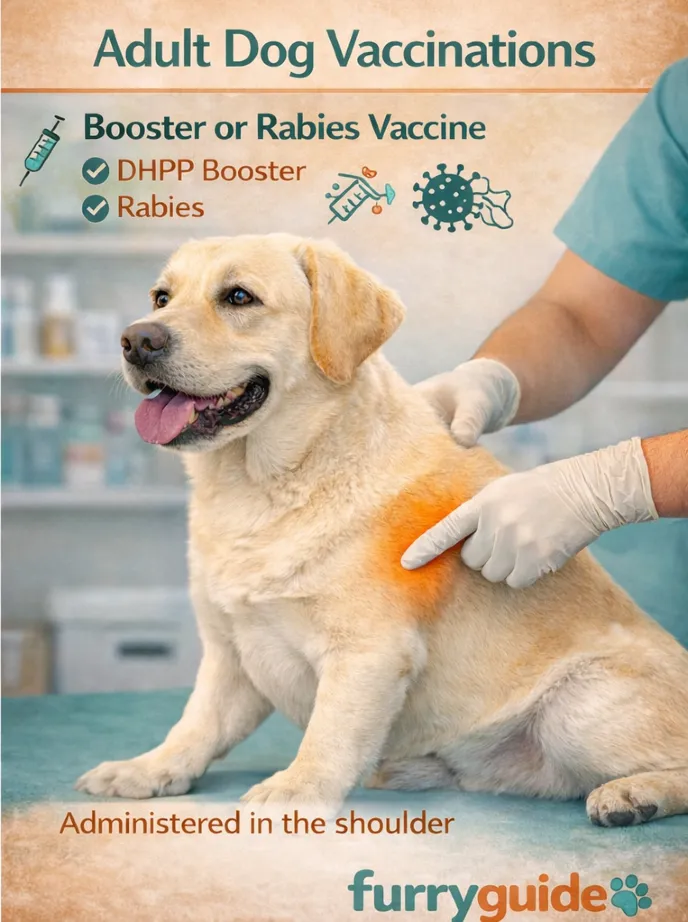
Adult Dog Vaccination Schedule
| Vaccine Type | Booster Frequency |
| Core vaccines | Every 1–3 years (depending on vaccine and vet advice) |
| Rabies | As required by local regulation |
| Non-core vaccines | Based on exposure risk |
Some vaccines are given annually, while others may be given every three years. Your veterinarian will recommend a schedule based on your dog’s health and lifestyle.
Senior Dog Vaccination Schedule Considerations
As dogs age, their immune systems may weaken, but this does not mean vaccinations should be stopped. Senior dogs often benefit from continued vaccination, though schedules may be adjusted.
For older dogs:
- Health status is reviewed before vaccination
- Unnecessary vaccines may be avoided
- Core protection is usually maintained
Vaccination decisions for senior dogs should always be personalized and made in consultation with a veterinarian.
Why Each Core Vaccine Is Important?
Understanding why vaccines are given helps pet parents appreciate their importance rather than viewing them as routine injections.
Distemper: Canine distemper is a highly contagious viral disease that affects the respiratory, digestive, and nervous systems. It can cause seizures, paralysis, and death, especially in young dogs. There is no cure for distemper only supportive care. Vaccination is the most effective prevention.
Parvovirus: Parvovirus attacks the intestinal lining and immune system, causing severe vomiting, diarrhea, dehydration, and rapid decline. It spreads easily through contaminated environments and can survive for months. Parvo is especially dangerous for puppies, and treatment can be intensive and costly. Vaccination provides strong protection.
Adenovirus (Canine Hepatitis): This virus affects the liver, kidneys, and eyes, leading to fever, abdominal pain, and organ failure in severe cases. Vaccination prevents both infection and long-term complications.
Rabies: Rabies is a fatal disease that affects the nervous system and can spread to humans. Once symptoms appear, rabies is almost always fatal. Because of its public health risk, rabies vaccination is legally required in many regions and is considered non-negotiable.
Common Non-Core Vaccines and Their Purpose
Non-core vaccines are given based on lifestyle and exposure risk.
Bordetella (Kennel Cough): Recommended for dogs that: Visit boarding facilities, attend daycare or socialize frequently with other dogs. It protects against respiratory infections that spread quickly in group settings.
Leptospirosis: This bacterial disease spreads through contaminated water and soil and can affect the liver and kidneys. It can also infect humans. Dogs that spend time outdoors or near wildlife may benefit from this vaccine.
Lyme Disease: Transmitted by ticks, Lyme disease can cause joint pain, fever, and long-term health issues. Dogs in tick-prone areas may need this vaccine in addition to tick prevention.
Are Vaccines Safe for Dogs?
Modern dog vaccines are extensively tested for safety and effectiveness. Most dogs experience no side effects or only mild, short-term reactions.
Common mild reactions may include:
- Temporary soreness at injection site
- Mild fatigue
- Slight fever
Serious reactions are rare, and the benefits of vaccination far outweigh the risks for most dogs.
What If You Adopt an Adult Dog with Unknown Vaccination History?
If a dog’s vaccination history is unknown, veterinarians usually recommend:
- Restarting core vaccinations
- Spacing doses appropriately
- Avoiding unnecessary duplication when possible
This ensures the dog is protected without taking unnecessary risks.
Lifestyle-Based Vaccination Decisions
Not all dogs live the same life. A dog that stays mostly at home has different risks than one that travels, boards, or attends group activities.
Factors that influence vaccination choices include:
- Interaction with other dogs
- Outdoor exposure
- Travel frequency
- Local disease prevalence
A good dog vaccination schedule balances protection with practicality.
Vaccination and Preventive Health Care
Vaccination is one part of a broader preventive care approach that includes:
- Regular health checkups
- Parasite prevention
- Proper nutrition
- Dental care
- Weight management
Together, these measures help dogs live longer, healthier lives.
Common Myths About Dog Vaccinations
Many pet parents hesitate due to misinformation about dog vaccinations or dog vaccination schedule. Some common myths include:
- “Indoor dogs don’t need vaccines”
- “Natural immunity is better than vaccination”
- “Vaccines overload the immune system”
In reality, vaccination mimics natural exposure in a controlled, safe way and prevents unnecessary suffering.
How to Prepare Your Dog for Vaccination Visits
Making vaccination visits stress-free helps dogs associate the vet clinic with positive experiences.
Helpful tips include:
- Keeping visits calm and short
- Using treats and praise
- Avoiding strenuous activity right after vaccination
Positive experiences make future visits easier, it will helpful in following the dog vaccination schedule properly.
Long-Term Benefits of Proper Vaccination
By following a proper dog vaccination schedule, they:
- Are protected against deadly diseases
- Have lower long-term healthcare costs
- Can safely socialize and travel
- Live healthier, more active lives
Vaccination is an investment in your dog’s future.
Final Thoughts on Dog Vaccination Schedule
A dog vaccination schedule is more than a checklist, it is a long-term commitment to your dog’s safety and well-being. From everyday experience, dogs that follow a proper vaccination plan tend to recover faster from illness, face fewer health emergencies, and enjoy a more active, comfortable life.
It’s important to remember that every dog is different. Factors like age, lifestyle, environment, and overall health play a role in determining the most suitable dog vaccination schedule plan. That’s why vaccinations work best when combined with regular vet visits, good nutrition, proper grooming, and attentive daily care.
Rather than viewing vaccines as something to fear or rush through, they should be seen as a form of protection and prevention. Staying consistent with vaccinations reduces the risk of preventable diseases and gives pet parents peace of mind, knowing they are doing their best for their dog.
In the end, a well-vaccinated dog is not just healthier, it is happier, more confident, and better able to enjoy life alongside the people who care for them. Making informed vaccination choices today helps ensure many healthy years together ahead.
FAQs on Dog Vaccination Schedule
Why Following the Vaccination Schedule Matters?
Skipping or delaying vaccines can leave dogs vulnerable during critical periods. Incomplete vaccination may:
Fail to build proper immunity
Increase disease risk
Lead to more severe illness if infected
Consistency is key. Even a short delay during the puppy stage can create gaps in protection, consider following dog vaccination schedule with consistency.
At what age should puppies start vaccinations?
Puppies should start their dog vaccination schedule at around 6 to 8 weeks of age. Early vaccines protect them as the immunity passed from the mother starts to fade.
How many vaccine shots does a puppy need?
Most puppies need multiple shots over several weeks, usually given every 3–4 weeks until about 16 weeks of age, to build strong and lasting immunity.
Are dog vaccines really necessary if my dog stays indoors?
Yes. Even indoor dogs can be exposed to viruses through shoes, clothing, visitors, or other animals. Core vaccines protect against diseases that spread easily in the environment.
What happens if a dog misses a vaccine?
Missing or delaying vaccines can leave gaps in immunity. In some cases, the vaccination series may need to be restarted to ensure proper protection. It’s important to follow dog vaccination schedule.
Are there side effects after dog vaccinations?
Most dogs experience no side effects or only mild reactions such as slight tiredness or soreness. Serious reactions are rare and should be reported to a veterinarian immediately.
How often do adult dogs need booster vaccines?
Adult dogs usually need boosters every 1 to 3 years, depending on the vaccine type and veterinary advice. Rabies boosters follow specific legal guidelines.
Do senior dogs still need vaccinations?
Yes, in most cases. Senior dogs may need adjusted schedules, but core vaccines are often still recommended to protect against serious diseases.
Are non-core vaccines mandatory for all dogs?
No. Non-core vaccines are recommended based on lifestyle factors such as boarding, daycare, outdoor exposure, or travel.
Can vaccinations prevent all diseases in dogs?
Vaccines protect against many serious and life-threatening diseases, but they do not replace general health care, good nutrition, grooming, and regular vet checkups.
Connect With FurryGuide
For more real-life pet care tips, breed guides, and grooming advice:
- Instagram :- @furryguide_
- Facebook :- www.FurryGuide.com
- WhatsApp Channel :- FurryGuide – Pet Care & Diet Tips
- Pinterest :- @furryguide
Author Note
This guide is written by Ankita, a long-time pet parent and content creator at FurryGuide.com, based on hands-on dog care experience, and reviewed by Satyendra, founder of FurryGuide, focusing on safe and practical pet care.