
Introduction
Let’s Start With a Truth Most People Don’t Know
If someone told you the Doberman Pinscher is only a “guard dog,” they’re wrong.
Behind the sharp ears, athletic body, and intense gaze lies one of the most loyal, emotional, and intelligent dog breeds in the world.
Many owners say that living with a Doberman is like living with a shadow — because they follow you everywhere, rest their head on your lap when you’re tired, and quietly watch over your family like a devoted guardian. They are often described as 75% heart and 25% muscle, a perfect balance of love and courage.
Whether you’ve admired Dobermans from afar or plan to bring one home, this in-depth guide will help you understand their history, nature, temperament, grooming, training, diet, pros & cons, health, price, and everything that makes this breed truly extraordinary.
Let’s dive in.
Table of Contents
History & Origin of the Doberman Pinscher
The Doberman Pinscher was created in the late 19th century by Karl Friedrich Louis Dobermann, a German tax collector who needed a loyal, smart, and protective companion for his rounds.
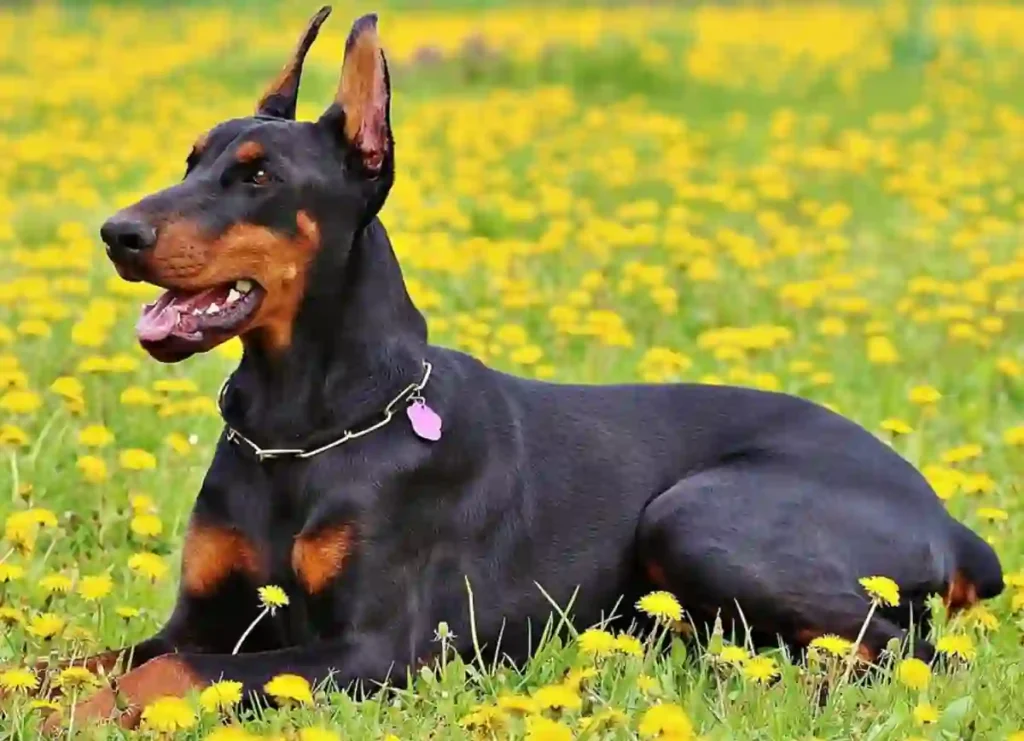
He blended multiple breeds:
- German Pinscher
- Rottweiler
- Weimaraner
- Greyhound
- Manchester Terrier
… to create a dog that was fast, fearless, intelligent, and loyal.
What started as a guard dog eventually evolved into one of the world’s most versatile breeds — known for work in military, police, search-and-rescue, therapy, and family protection.
Today, the Doberman is respected as one of the top 5 smartest dog breeds, with unmatched loyalty and trainability.
Physical Appearance: A Perfect Blend of Power and Elegance
A Doberman Pinscher is a masterpiece of structure, they are Muscular yet sleek, built for speed; Balanced, giving them a royal presence; Athletic, capable of running at high speed with graceful movement
Key features include:
- A deep chest and strong shoulders
- High stamina and endurance
- Narrow, elegant head
- Dark almond-shaped eyes full of alertness
- A smooth, short coat that comes in colors like black & rust, blue, red, and fawn
Dobermans give the impression of a dog who is always ready to move, yet calm enough to sit beside you like a loyal friend.
Doberman Pinscher Physical Appearance Table Guide
| Feature | Description |
| Breed Size | Large dog breed |
| Height (Male) | 26 – 28 inches (66 – 71 cm) |
| Height (Female) | 24 – 26 inches (61 – 66 cm) |
| Weight (Male) | 40 – 45 kg |
| Weight (Female) | 32 – 36 kg |
| Body Length | Slightly longer than height; athletic and balanced |
| Overall Build | Muscular, sleek, powerful, elegant, highly athletic |
| Head Shape | Long, wedge-shaped with defined jawline |
| Muzzle | Long and refined, strong bite |
| Ear Type | Naturally floppy; often cropped to stand erect (depends on region laws) |
| Tail | Naturally long; commonly docked in some countries (but illegal in many regions) |
| Coat Type | Short, smooth, single coat; low shedding |
| Coat Texture | Flat and fine-textured, close to body |
| Available Colors | Black & rust, Red & rust, Blue & rust, Fawn & rust (also called Isabella) |
| Eye Shape | Almond-shaped, medium size |
| Eye Color | Dark brown to lighter shades matching coat color |
| Neck Shape | Well-arched, muscular and elegant |
| Chest Structure | Deep and broad, gives strong stamina capacity |
| Forelegs & Hindlegs | Straight, strong bone structure; excellent angulation |
| Gait Style / Movement | Effortless, smooth, powerful drive — known for impressive trotting |
| Facial Expression | Alert, confident, intelligent and noble |
| Appearance Impression | A blend of grace, power, agility, and confidence; intimidating presence |
Temperament & Nature — What Is a Doberman Really Like?
People often misunderstand Dobermans.
Their appearance may seem intimidating, but their heart is pure gold.
Here’s what Doberman Pinscher dog breed owners know that many people don’t:
- They are “Velcro Dogs”
Dobermans bond deeply with their humans and prefer staying close. They follow you from room to room.
- Highly Intelligent
They can learn new commands incredibly fast—often within just a few repetitions.
- Natural Protectors
They don’t attack without reason. Instead, they observe everything silently and protect only when necessary.
- Family-oriented
Dobermans are extremely gentle with children and affectionate with family members.
- Energetic
They need physical and mental stimulation every day.
- Emotionally sensitive
Dobermans pick up on human emotions quickly. If you’re sad, they will sit beside you quietly. If you’re excited, they become playful.
Diet & Nutrition Requirements for a Doberman Pinscher Dog Breed
A Doberman is not an average dog — it’s an athletic, muscular, high-energy working breed, and its body needs the right fuel to maintain energy, stamina, and muscle mass. A poor diet can visibly affect their coat, digestive health, immunity, and even behavior.
1. High-Quality Protein is Essential
Dobermans thrive on protein-rich diets because their muscles work harder than many other breeds.
Healthy protein sources include:
- Chicken
- Turkey
- Lamb
- Salmon
- Eggs
Protein builds strong muscles, supports joint health, and maintains their sleek, athletic look.
2. Healthy Fats for Coat & Brain
Dobermans have a naturally shiny coat. To keep it glossy and itch-free, healthy fats are important:
- Salmon oil
- Flaxseed oil
- Chicken fat
These fats help reduce skin allergies, keep the coat smooth, and support cognitive health.
3. Digestible Carbs for Sustainable Energy
They need carbs — but the right ones:
- Brown rice
- Sweet potatoes
- Oats
- Millet
Avoid corn, soy, and wheat because most Dobermans develop skin or stomach sensitivity.
4. Essential Vitamins & Minerals
For a Doberman’s large frame, bone health is crucial. Diet must include:
- Calcium
- Glucosamine
- Chondroitin
- Omega-3 & Omega-6 fatty acids
A vet may also recommend joint supplements — especially for adult or senior Dobermans.
5. Feeding Schedule
Dobermans are deep-chested, so bloat is a risk.
To prevent this:
- Don’t feed one large meal.
- Give 2 meals for adults, 3 for puppies.
- Avoid exercise immediately after meals.
A well-balanced diet = longevity + energy + a happier Doberman.
Grooming Needs of a Doberman Pinscher Dog Breed
Many people assume grooming means high-maintenance tasks, but the Doberman is surprisingly easy to groom. Their short coat makes shedding manageable, and their natural body oils keep the skin healthy.
1. Brushing Once a Week is Enough
Even though Dobermans shed, the hair is short, so shedding doesn’t feel messy.
Weekly brushing:
- Removes loose hair
- Improves circulation
- Keeps coat shiny
Use a rubber curry brush or bristle brush.
2. Bathing Every 4–6 Weeks
Dobermans do not have a strong doggy odor.
Bath them every 4–6 weeks or when they get dirty.
Too much bathing strips natural oils, causing dryness.
3. Ear Cleaning
Since Dobermans have cropped or erect ears, dust and wax buildup can be an issue.
Clean ears weekly to avoid infections.
4. Nail Maintenance
Their nails grow fast and can become painful if too long.
Trim nails every 3–4 weeks to avoid posture issues.
5. Dental Care
Dobermans are prone to tartar buildup.
Brush teeth 2–3 times a week or provide dental chews.
Minimal grooming + consistent care = a fresh, elegant-looking Doberman year-round.
Exercise Requirements of a Doberman Pinscher
This breed is designed for activity. If you don’t give them enough exercise, they get bored — and boredom leads to destructive behavior.
1. Daily Exercise Requirement: 1.5–2 Hours
A Doberman needs:
- Two long walks
- Running sessions
- Mental enrichment activities
This keeps them physically fit and emotionally stable.
2. Mental Stimulation is Equally Important
Dobermans are highly intelligent and get bored easily.
Use:
- Puzzle toys
- Interactive games
- Training commands
- Scent work
This sharpens their mind and reduces anxiety.
3. Socialization
Expose your Doberman to:
- People
- Children
- Other dogs
- Busy streets
- New environments
This prevents fear-based aggression.
4. Ideal Activities for a Doberman
- Running
- Hiking
- Fetch
- Agility
- Swimming
- Tug-of-war
A well-exercised Doberman Pinscher Dog Breed is calm, obedient, and confident.
A bored Doberman? A disaster waiting to happen.
Care Tips for Doberman Pinscher Dog Breed Owners
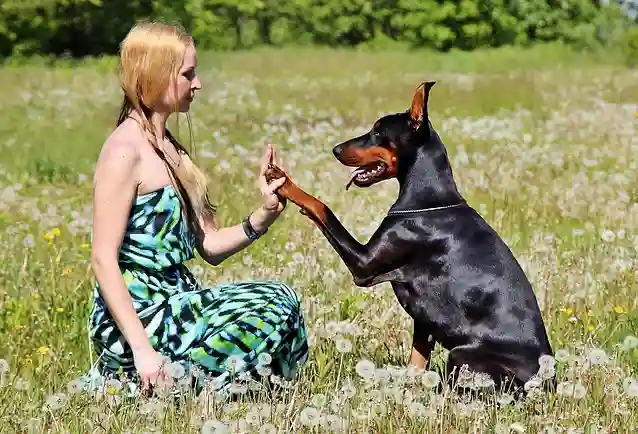
Here’s how to raise a happy, healthy Doberman Pinscher:
- Regular Exercise
1–2 hours daily is a must.
A bored Doberman = destructive behavior.
- Mental Stimulation
Puzzle toys, scent games, and training sessions are great for their sharp mind.
- Secure Environment
Dobermans are fast runners. Your home/yard should be secure.
- Routine Health Checkups
Regular vet visits ensure a long and healthy life.
- Early Socialization
Introduce them to kids, people, and pets early in life.
- Consistent Training
They respond extremely well to positive reinforcement-based training.
Common Health Issues in Doberman Pinscher
Doberman Pinscher Dog breeds are strong but genetically prone to certain conditions like:
- Dilated cardiomyopathy (heart condition)
- Hypothyroidism
- Von Willebrand disease (bleeding disorder)
- Wobblers syndrome
- Gastric bloat (life-threatening emergency)
With proper health checks, quality diet, and lifestyle, Dobermans can live 10–13 years.
Buying Guide & Price of Doberman Pinscher Dog Breed
What to Check Before Buying:
- Always buy from responsible breeders
- Check health certificates, especially heart test reports
- Ask for parent temperament details
- Observe puppy behavior
- Avoid extremely cheap puppies
Doberman Pinscher Dog Breed Price:
| Region | Price Range |
| India | ₹20,000 – ₹80,000 |
| USA | $1,000 – $3,000 |
| UK | £900 – £2,000 |
A well-breed Doberman Pinscher Dog Breed with champion lineage will cost more.
Pros & Cons of the Doberman Pinscher
Here are the balanced, real-world pros and cons—helping new owners make an informed decision.
Pros of a Doberman Pinscher Dog Breed
- Loyal & Protective: They will stand between you and danger without hesitation.
- Intelligent: One of the smartest breeds; quick learners and excellent working dogs.
- Elegant Appearance: Muscular, sleek, royal-looking dogs that always turn heads.
- Highly Trainable: They respond well to commands and structure.
- Great Family Dogs: When trained early, they bond deeply with children and family members.
- Low Grooming Needs: Easy to maintain because of short coat.
Cons of a Doberman Pinscher Dog Breed
- Requires Experienced Owner: Not suited for beginners due to strong personality.
- High Exercise Needs: A lazy household won’t suit this breed.
- Can Develop Separation Anxiety: They hate being left alone for long hours.
- Potential Aggression Without Training: Poor training = behavioral issues.
- Sensitive Health Issues: Heart disease, bloat, and joint issues common.
- Not Suitable for Apartment Living (Unless Highly Active): They need space to release energy.
Balanced expectations = a perfect Doberman experience.
Join Our Pet-Loving Community!
Stay connected with FurryGuide for more dog breed guides, care tips, and fun pet content:
- Instagram: @furry_guide
- Facebook Page: FurryGuide.com
- WhatsApp Channel: FurryGuide
Follow us for daily tips, reels, and dog facts!
Final Thoughts
The Doberman Pinscher Dog Breed is much more than a guard dog — it is a loyal companion, brave protector, emotional friend, and incredibly intelligent pet. They thrive in active homes where they receive love, guidance, structure, and attention.
If you want a dog that stays by your side, protects your family, and gives unconditional loyalty, the Doberman Pinscher is one of the best choices you can ever make.
FAQs About Doberman Pinscher Dog Breed
Are Doberman Pinschers aggressive by nature?
No, a Doberman Pinscher is not naturally aggressive. They have a strong guarding instinct, but aggression only occurs due to poor training, lack of socialization, or wrong breeding practices. Well-trained Dobermans are loyal, stable, and exceptionally gentle with their families. They are confident dogs — not aggressive ones.
Are Dobermans good family dogs?
Yes, the Doberman Pinscher dog breed can be an excellent family dog. They are affectionate, protective, and deeply attached to their owners. They are also great with kids when raised with positive training. Their loyalty and intelligence make them outstanding family companions.
How much exercise does a Doberman Pinscher Dog Breed need daily?
Doberman Pinscher dog breed are a high-energy breed and need 60–90 minutes of daily exercise. This includes brisk walks, running, agility training, fetch, mental games, and obedience work. Without sufficient activity, a Doberman may become bored and develop destructive behaviors.
Are Dobermans suitable for first-time dog owners?
A Doberman Pinscher dog breed is not typically recommended for first-time dog owners. This breed needs consistent leadership, firm but gentle training, and regular exercise. Experienced owners handle Dobermans better because they understand canine behavior and training methods.
How difficult is it to train a Doberman Pinscher?
Doberman Pinscher dog breeds are highly intelligent and rank among the top 5 most trainable dog breeds. They learn quickly and love tasks that challenge their mind. Training becomes easy when you use positive reinforcement, short practice sessions, and consistent commands.
Do Dobermans get along with other dogs or pets?
With proper socialization, a Doberman Pinscher dog breed can get along well with other dogs. However, they may be dominant with unfamiliar dogs due to their strong protective instincts. Early exposure to other pets helps them behave calmly in multi-pet households.
What are common health issues in Doberman Pinschers?
Like all breeds, Dobermans may face certain genetic health concerns, including:
Dilated Cardiomyopathy (DCM)
Hip dysplasia
Thyroid disorders
Von Willebrand disease (blood clotting issue)
Gastric Dilatation (bloat)
Regular vet checkups and genetic testing help prevent severe problems.
How long do Doberman Pinscher Dog Breeds live?
The average lifespan of a Doberman Pinscher is 10–13 years. Proper diet, exercise, mental stimulation, and routine veterinary care can increase their lifespan and keep them healthier for longer.
Do Dobermans shed a lot?
Doberman Pinscher dog breed have a short, sleek coat, and they shed moderately. Regular brushing once or twice a week helps reduce shedding and keeps their coat shiny. They are low-maintenance compared to long-haired breeds.
How often should a Doberman be groomed?
Dobermans require minimal grooming. A grooming routine includes:
Brushing: 1–2 times weekly
Bathing: Once every 4–6 weeks
Nail trimming: Every 3–4 weeks
Ear cleaning: Weekly
Teeth brushing: 2–3 times weekly
Their coat is natural and easy to maintain, making grooming simple.
Do Dobermans tolerate cold weather?
No, Dobermans have a thin single coat that doesn’t provide enough insulation. They are sensitive to cold climates and may require dog sweaters or jackets during winter walks. Avoid keeping them outdoors for long periods in low temperatures.
Can Dobermans live in apartments?
Yes, a Doberman Pinscher can live in an apartment as long as it gets sufficient exercise every day. Dobermans are adaptable but need space to stretch, play, and release energy. A sedentary lifestyle does not suit this breed.
What should I feed a Doberman Pinscher?
A Doberman needs a high-protein, balanced diet. Good food options include:
Chicken, turkey, lamb
Fish (rich in omega-3)
Brown rice, sweet potato
Vegetables like carrots & peas
Avoid low-quality foods, corn-based fillers, and excessive treats. A vet-approved diet plan ensures proper nutrition.
Do Dobermans suffer from separation anxiety?
Yes, Dobermans are extremely loyal and bond strongly with their families. They can develop separation anxiety if left alone for long hours. Training, puzzle toys, and gradual desensitization can help reduce anxiety issues.
How much does a Doberman Pinscher cost?
The cost of a Doberman Pinscher dog breed depends on your region:
India: ₹20,000 – ₹60,000 (pet quality), ₹60,000 – ₹1,50,000 (show quality)
USA: $1,000 – $3,500
UK: £1,500 – £2,500
Prices vary based on pedigree, breeder quality, location, and health certifications.
Are Doberman Pinschers good for first-time dog owners?
Doberman Pinschers are incredibly loyal and intelligent, but they are not usually recommended for first-time dog owners. Their high energy level, strong protective instincts, and need for consistent training can be overwhelming for beginners. They demand a confident, patient owner who understands dog behavior, discipline, and structured routines.
However, if a first-time owner is truly committed, willing to invest in training classes, regular exercise, and proper socialization, then a Doberman can become a deeply bonded and obedient companion.
Can Doberman Pinschers live peacefully with other dogs or pets?
Yes, Dobermans can live peacefully with other dogs, but it highly depends on early socialization. When introduced to other pets from a young age, Dobermans usually coexist well and may even form strong friendships.
However, their strong prey drive means they may chase smaller animals like cats or rodents if not trained properly.
The safest approach is:
Start socializing at 8–12 weeks
Supervise initial interactions
Reward calm and friendly behavior
With proper guidance, Dobermans can become affectionate members of multi-pet homes.
Do Dobermans suffer from separation anxiety?
Yes. Doberman Pinschers are known as “Velcro dogs” because they attach deeply to their owners and always want to stay close. When left alone for long hours regularly, they may develop separation anxiety.
Symptoms include:
Destructive chewing
Excessive barking or whining
Restlessness
Attempts to escape or dig
This can be prevented by crate training, puzzle toys, gradually increasing alone time, and maintaining a predictable daily routine.
Dobermans thrive in homes where someone is available for most of the day.
What is the average cost of owning a Doberman Pinscher?
The cost of owning a Doberman varies depending on region, breeder, pedigree, and health clearances. But here’s the general breakdown:
Buying Price:
India: ₹40,000 – ₹1,00,000
USA: $1,500 – $3,000
UK: £1,200 – £2,500
Annual Expenses:
Food: Medium to high-quality diet (₹25,000–₹50,000 yearly)
Vet visits & vaccinations: Moderate to high, depending on health
Training classes: Recommended for proper behavior
Grooming, toys, tools: Regular but affordable
Dobermans are not cheap to own, but their loyalty, intelligence, and companionship often outweigh the cost for committed owners.
How long do Doberman Pinschers live, and how can I increase their lifespan?
Doberman Pinschers typically live 10–13 years, but with excellent care, some live even longer.
To increase your Doberman’s lifespan:
Provide a high-quality, balanced diet
Ensure daily exercise to prevent obesity
Schedule regular vet checkups, especially heart & thyroid screenings
Avoid overbreeding lines prone to health issues
Offer mental stimulation and stress-free environment
Keeping your Doberman fit, active, stimulated, and emotionally fulfilled will significantly improve both lifespan and quality of life.