
Food allergies in dogs are far more common than most pet parents realize. Many dogs suffer silently from itchy skin, frequent ear infections, digestive issues, or constant paw licking. These are often caused by something as basic as what’s in their food. Choosing the best dog food for allergies can completely change your dog’s quality of life, from their skin health to their energy levels.
In this article at FurryGuide is written from hands-on dog parenting experience, not just theory. If you’re confused about ingredients, grain-free labels, or expensive “hypoallergenic” foods, this article will help you make a safe, informed, and practical choice for your dog.
Table of Contents
Table of Contents
What Are Dog Food Allergies?
Dog food allergies occur when a dog’s immune system reacts negatively to specific ingredients in their diet. Unlike food intolerance (which mainly affects digestion), allergies usually show up as skin and ear problems, and sometimes gastrointestinal symptoms.
Common signs include:
- Constant scratching or itching
- Red, inflamed skin or rashes
- Ear infections that keep coming back
- Excessive paw licking
- Hair loss or dull coat
- Loose stools, vomiting, or gas
If these symptoms persist despite grooming and vet treatment, switching to the best dog food for allergies is often the most effective long-term solution.
Best Dog Food for Allergies (Trusted Options for Sensitive Dogs)
Choosing the best dog food for allergies is one of the most effective ways to reduce itching, digestive upset, ear infections, and recurring skin problems in dogs. From real pet-parent experience, food allergies are often triggered by common ingredients like chicken, beef, dairy, wheat, soy, or artificial additives. Switching to the right diet can make a visible difference within a few weeks.
Below are trusted dog food options for allergic dogs, available in India and the U.S., along with what makes each one suitable.
1. Royal Canin Hypoallergenic / Veterinary Diet
Royal Canin’s hypoallergenic formulas are widely recommended by vets because they use hydrolyzed proteins, which are broken down into very small molecules that the dog’s immune system does not recognize as allergens and best for dogs with confirmed food allergies or severe sensitivities.
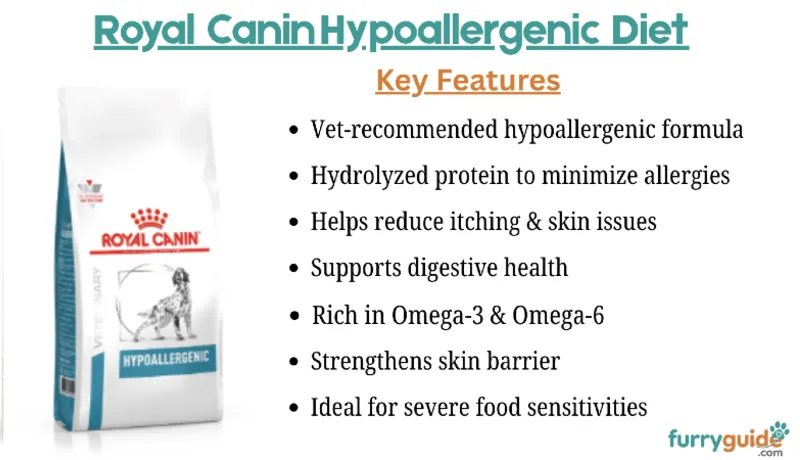
Why it works:
- Hydrolyzed soy protein (low allergenic)
- Helps reduce skin inflammation and digestive issues
- Supports skin barrier with omega-3 & omega-6 fatty acids
Availability: India (Vet clinics + online) and U.S. (Chewy, Amazon, vet stores)
Best used under veterinary guidance, especially for long-term feeding.
2. Farmina N&D (Limited Ingredient & Grain-Free)
Farmina N&D is a premium brand known for its clean ingredient list and high-quality animal protein. Their lamb, fish, and venison recipes are particularly helpful for dogs allergic to chicken or grains and Farmina N&D is best for dogs with skin allergies and food intolerance.
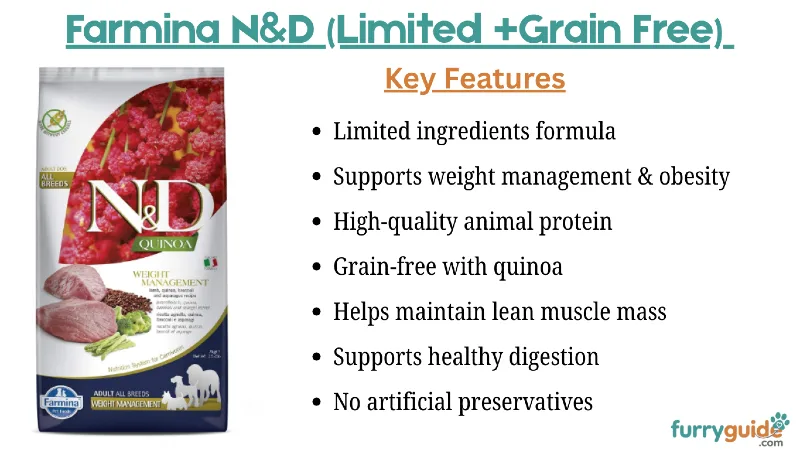
Why it works:
- Single or limited protein sources
- No artificial preservatives
- Omega-3 rich (helps itchy skin)
- Grain-free options available
Availability: India and U.S.
Many pet parents notice reduced scratching and better coat quality within 4–6 weeks.
3. Orijen (Biologically Appropriate Diet)
Orijen focuses on biologically appropriate nutrition, meaning high meat content with minimal fillers. Their fish-based recipes are often suitable for dogs with protein allergies and are best for dogs with strong food sensitivities but good digestion.
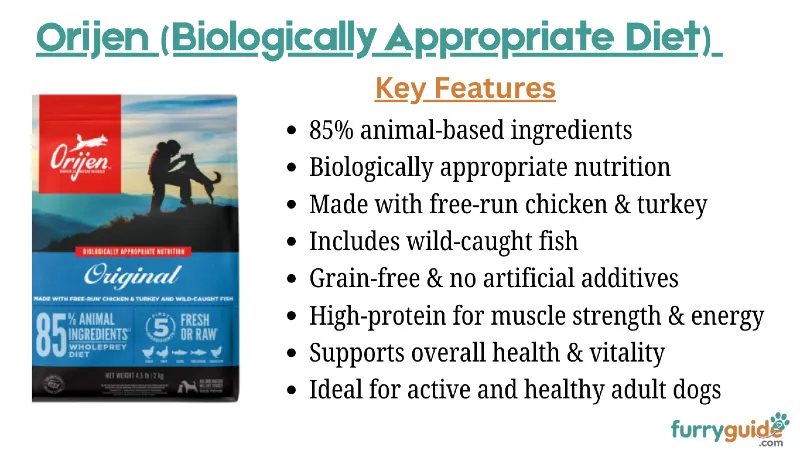
Why it works:
- No grains, corn, or soy
- High-quality fish protein (natural anti-inflammatory)
- Supports skin, coat, and immune health
Availability: U.S. and Limited availability in India (select stores)
Not ideal for dogs with very sensitive digestion due to high protein levels.
4. Acana Singles + Limited Ingredient Diet
Acana’s limited-ingredient formulas use one animal protein + simple carbs, which helps identify and manage food triggers, and are good in mild to moderate food allergies.
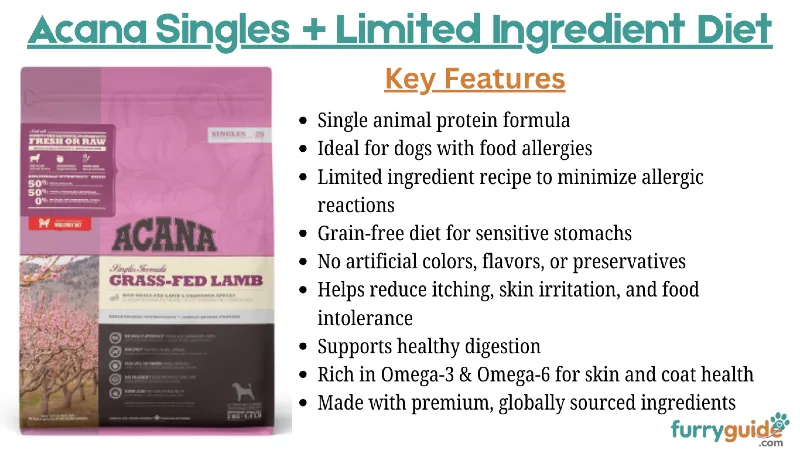
Why it works:
- Single protein recipes (duck, lamb, pork)
- No artificial flavors or colors
- Balanced nutrition with fewer ingredients
Availability: India and U.S.
A good step-up option if your dog doesn’t need a prescription diet.
5. Hill’s Prescription Diet (z/d or d/d)
Hill’s prescription foods are one of the best dog food for allergies formulated after years of veterinary research. Their allergy-focused diets are often recommended when dogs suffer from constant itching, ear infections, or digestive upset, and are best for dogs with chronic allergies and skin infections.
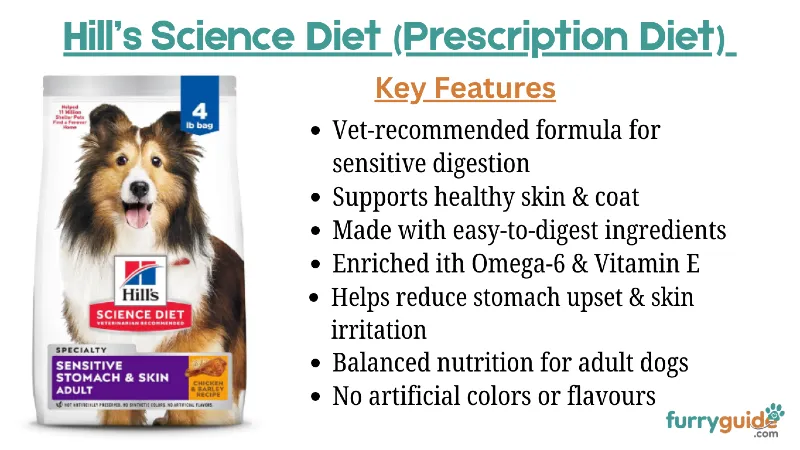
Why it works:
- Clinically tested formulas
- Hydrolyzed or novel proteins
- Improves skin barrier and gut health
Availability: India (via vets) and U.S.
Requires vet recommendation for best results.
6. Drools Focus / Drools VET PRO (India-Specific Option)
For Indian pet parents looking for a more affordable option, Drools Focus and Drools Vet Pro Skin & Coat formulas are improving rapidly and it is one of the best dog food for allergies. These are best for budget-friendly allergy management in India.
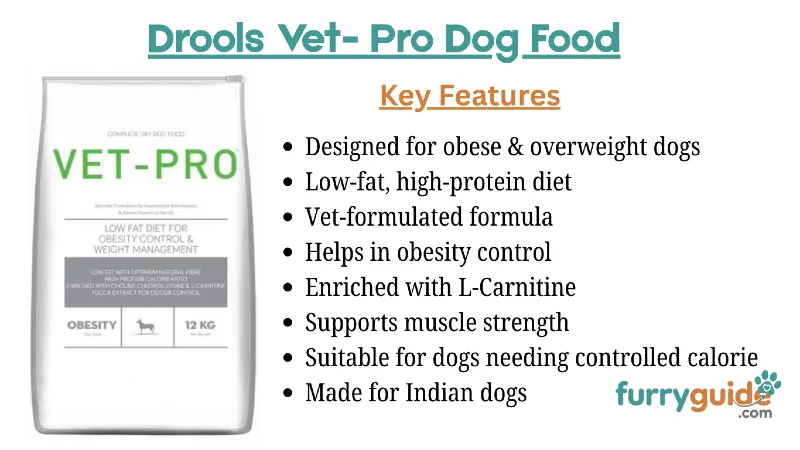
Why it works:
- Fish protein options available
- Omega fatty acids for skin health
- Better quality than regular budget foods
Availability: India only
Not ideal for severe allergies, but useful for mild skin issues.
Understanding Dog Allergies After Choosing Food
After choosing the best dog food for allergies, it’s important to understand what kind of allergy your dog is actually dealing with. Many pet parents assume that every itch or stomach issue is caused by food, but in reality, dog allergies can be of different types and each type needs a slightly different approach.
1. Food Allergies in Dogs (Diet-Related Allergies)
Food allergies are one of the most talked-about and often misunderstood is dog health issues.
What causes it?
A food allergy happens when a dog’s immune system reacts negatively to a specific ingredient in their diet.
Common food allergens in dogs include:
Based on real-life experience, the most common dog allergy types, their symptoms, and how diet plays a role.
- Beef
- Chicken
- Dairy products
- Wheat and gluten
- Soy
- Eggs
Typical symptoms:
- Chronic itching (especially paws, ears, face)
- Red or inflamed skin
- Recurrent ear infections
- Vomiting or loose stools
- Excessive licking or chewing
How diet helps:
Dogs with food allergies usually do better on:
- Grain-free (only if grains are the trigger)
- Limited ingredient dog food
- Novel protein diets (duck, lamb, salmon)
- Hypoallergenic dog food
This is where choosing the best dog food for allergies becomes crucial.
2. Environmental Allergies (Atopic Dermatitis)
Environmental allergies are caused by substances present in a dog’s surroundings rather than their food.
Common triggers:
- Pollen (grass, weeds, trees)
- Dust mites
- Mold
- Household cleaning chemicals
Symptoms you may notice:
- Seasonal itching (worse in certain months)
- Paw licking after walks
- Red skin around eyes and belly
- Frequent scratching without stomach issues
Diet’s role here:
Food may not be the direct cause, but:
- Omega-3 fatty acids help reduce inflammation
- Skin-support dog food improves barrier health
- Anti-inflammatory diets support overall immunity
So even for environmental allergies, the right dog food for allergies can reduce symptom severity.
3. Flea Allergy Dermatitis (FAD)
This is one of the most common allergies seen in dogs, especially in warm climates like India.
What causes it?
An allergic reaction to flea saliva, even one flea bite can trigger intense itching.
Common signs:
- Severe scratching around tail base and back
- Hair loss near hips
- Scabs or hot spots
- Sudden behavioural irritation
Nutrition still matters:
- Protein-rich diets help skin healing
- Zinc and biotin support coat regrowth
- Omega fatty acids calm irritated skin
Important note:
No dog food alone can cure flea allergy dermatitis. Food supports recovery, but flea prevention is mandatory here.
4. Contact Allergies in Dogs
Contact allergies occur when a dog’s skin reacts to something it touches.
Typical triggers:
- Plastic food bowls
- Certain shampoos
- Synthetic bedding
- Floor cleaners or disinfectants
Symptoms include:
- Redness on chin, belly, paws
- Localized itching
- Skin rashes in contact areas
Role of diet:
Diet doesn’t cause contact allergies, but:
- Anti-inflammatory nutrition helps skin recover faster
- High-quality dog food improves overall skin resilience
Switching to steel bowls + gentle grooming products usually solves the root cause.
5. Seasonal Allergies (Weather-Linked Allergies)
Some dogs develop allergies that flare up only during specific seasons.
Common during:
- Spring (pollen)
- Monsoon (fungal spores)
- Winter (dry skin sensitivity)
Symptoms:
- Sneezing or watery eyes
- Increased scratching during specific months
- Dry, flaky skin
Dietary support includes:
- Fatty acid-rich dog food
- Vitamin E and zinc
- Easily digestible proteins
These dogs’ benefit from a balanced, skin-support dog diet, even if food isn’t the primary allergen.
6. Mixed Allergies (Most Common in Real Life)
In real-world cases, many dogs don’t have just one allergy, they have a combination.
For example:
- Food + environmental allergy
- Flea allergy + food sensitivity
- Seasonal allergy + weak skin barrier
In such cases, pet parents often notice that:
- Symptoms reduce after switching to better food
- Flare-ups still happen occasionally
This is why choosing the best dog food for allergies is not about miracles, it’s about long-term management and comfort.
Why Understanding Allergy Type Matters
Before Knowing the best dog food for allergies when you identify the correct allergy type, you can:
- Choose the right dog food
- Avoid unnecessary grain-free or expensive diets
- Reduce vet visits caused by trial-and-error feeding
- See faster improvement in skin and digestion
Food alone won’t fix every allergy but the wrong food can definitely make things worse. Based on hands-on dog parenting experience, many allergy symptoms improve not because of one “magic food,” but because of consistent feeding, ingredient awareness, and patience. Sudden food changes often worsen symptoms; slow transitions work best.
How to Choose the Right Allergy Food for Your Dog
From real-world experience, the best dog food for allergies depends on:
- Your dog’s age and size
- Type of allergy (skin vs digestive)
- Severity of symptoms
- Ingredient tolerance
Quick guidance:
- Severe allergies: Go for vet prescription diets
- Mild itching: Limited ingredient or fish-based foods
- Chicken allergy: Choose lamb, fish, duck, or hydrolyzed protein
- Grain sensitivity: Grain-free (only if vet-approved)
Important Feeding Tip (Very Important)
When switching to allergy-friendly dog food:
- Transition slowly over 7–10 days
- Do not mix with treats or table food initially
- Observe stool, itching, ears, and coat condition
In many cases, improvement is visible within 3–6 weeks, but full results may take up to 8 weeks. Based on real pet-parent experience, food change alone has helped many dogs reduce itching, improve digestion, and avoid repeated medication.
Best Dog Food for Allergies by Life Stage
| Life Stage | What to Look For | Recommended Type |
| Puppy | Gentle protein, DHA, no fillers | Limited ingredient puppy food |
| Adult | Single protein, omega-3s | Novel protein or hydrolyzed |
| Senior | Easy digestion, joint support | Hypoallergenic + low fat |
What Makes the Best Dog Food for Allergies?
The best dog food for allergies isn’t about fancy marketing, it’s about clean ingredient lists and digestibility.
A good allergy-friendly dog food usually has:
- Limited ingredients
- A single protein source
- No artificial colors or preservatives
- No common allergens
- High-quality fats for skin health
Why Diet Matters for Skin & Coat Health
One of the biggest benefits of choosing the best dog food for allergies is visible improvement in skin and coat.
Look for foods with:
- Omega-3 fatty acids (fish oil)
- Omega-6 fatty acids
- Zinc and biotin
These nutrients help reduce inflammation and repair the skin barrier.
Should You Consult a Vet Before Switching?
Yes, especially if:
- Your dog has severe itching or infections
- Symptoms have lasted more than 3–4 weeks
- You’re considering hydrolyzed diets
A vet may suggest an elimination diet, best dog food where you feed one food for 8–12 weeks and monitor symptoms.
How to Choose the Best Dog Food for Allergies
When shopping online (Amazon, Flipkart, or pet stores), don’t just look at ratings. Always Check:
- Full ingredient list (not just the front label)
- Protein source (avoid chicken if allergic)
- No artificial flavors or colors
- Clear feeding guidelines
Common Mistakes Pet Parents Make
- Switching food too frequently
- Mixing old and new food incorrectly
- Expecting results in 2–3 days
- Treats still containing allergens
Improvement usually takes 3–6 weeks.
Pro tip from experience: Many “skin & coat” foods still contain chicken fat. Always read labels carefully.
Connect With FurryGuide
For more real-life pet care tips, breed guides, and grooming advice:
- Instagram :- @furryguide_
- Facebook :- www.FurryGuide.com
- WhatsApp Channel :- FurryGuide- Pet Care & Diet Tips
- Pinterest :- @furryguide
Final Thoughts
Choosing the best dog food for allergies is one of the most impactful decisions you can make for your dog’s health. From real experience, the right diet doesn’t just reduce itching, it transforms your dog’s comfort, behavior, and happiness.
Take your time, read labels, observe your dog closely, and don’t hesitate to consult a vet when needed. A healthy gut and healthy skin always start with the right food.
FAQs: Best Dog Food for Allergies
What is the best dog food for allergies?
The best dog food for allergies is one with limited ingredients, a single protein source, and no artificial additives. Hydrolyzed diets are best for severe cases.
Is grain-free food good for dog allergies?
Only if your dog is allergic to grains. Most allergies are protein-based, not grain-based.
How long does allergy food take to work?
Typically 3–6 weeks for visible improvement.
Can puppies have food allergies?
Yes, puppies can develop allergies early, especially to chicken or dairy.
Are homemade diets better for allergies?
They can help, but only when properly balanced, consult a vet or pet nutritionist.
Should I stop treats during allergy diet?
Yes. Treats can reintroduce allergens and delay results.
Can dog food allergies be cured?
They can’t be “cured,” but they can be managed very effectively with diet.
Is salmon good for dogs with allergies?
Yes, salmon is a common novel protein and rich in omega-3s.
What if symptoms don’t improve?
You may need hydrolyzed food or further vet testing.
Are expensive allergy foods worth it?
Often yes, especially if they prevent long-term medical costs.
Author Note
This guide is written by Ankita, a long-time pet parent and content creator at FurryGuide.com, based on hands-on dog care experience, and reviewed by Satyendra, founder of FurryGuide, focusing on safe and practical pet care.