
Choosing the best food for dogs is one of the most confusing decisions for pet parents today. With hundreds of brands, flashy marketing claims, and mixed online reviews, it’s easy to feel overwhelmed, especially when you genuinely want to do what’s best for your dog’s health.
At FurryGuide, we understand this confusion deeply because we’re not just writers, we are real dog parents. Over the years, through hands-on experience with dogs of different breeds, ages, and health needs, we have learned that there is no one-size-fits-all dog food. The best food for dogs depends on factors like age, size, activity level, digestion, and even climate.
This guide is written to help you make safe, informed, and practical food choices, whether you are buying dog food online, or selecting a long-term diet for your furry companion.
Table of content
Table of Contents
What Does “Best Food for Dogs” Actually Mean?
Many pet parents assume the most expensive brand is the best food for dogs but that’s not always true.
The best food for dogs should:
- Provide balanced nutrition (protein, fats, carbs, vitamins)
- Suit your dog’s age and size
- Be easy to digest
- Support skin, coat, joints, and gut health
- Contain safe, identifiable ingredients
A Labrador puppy, a senior Pomeranian, and an active Indie dog will all need different food types, even though they are all dogs.
Understanding Your Dog’s Nutritional Needs
Before choosing any dog food, understand what your dog actually needs.
Protein (Most Important nutrition)
Protein helps build muscles, supports immunity, and keeps your dog active.
Look for named animal protein like:
- Chicken
- Lamb
- Fish
- Eggs
Avoid foods where protein sources are unclear or listed vaguely as “meat by-products”.
Fats (For Energy & Coat Health)
Healthy fats support:
- Shiny coat
- Brain function
- Energy levels
Ingredients like fish oil, chicken fat, flaxseed oil are good signs.
Carbohydrates (Energy Source)
Dogs don’t need excessive carbs, but small amounts from these are safe and digestible:
- Rice
- Sweet potato
- Oats
Types of Dog Food: Which Is Best?
Dry Dog Food (Kibble)
Dry food is the most commonly used option and works well for most dogs.
Pros:
- Easy to store
- Budget-friendly
- Good for dental health
Cons:
- Lower moisture
- Quality depends heavily on brand
Dry food can be the best food for dogs if you choose a high-quality, well-balanced formula.
Wet Dog Food
Wet food contains more moisture and is usually more palatable.
Pros:
- Great for picky eaters
- Helps hydration
- Easier for senior dogs
Cons:
- More expensive
- Spoils quickly after opening
Wet food works best as a supplement, not the sole diet for most dogs.
Homemade Dog Food
Many Indian pet parents prefer homemade meals.
Pros:
- Full control over ingredients
- Fresh and natural
- Budget-friendly if done right
Cons:
- Risk of nutritional imbalance
- Requires planning
Homemade food can be the best food for dogs only if it is balanced, random home food will not be enough for your pet.
Dry Food vs Wet Food: What’s Better?
One of the most common questions pet parents ask is whether dry food or wet food is better as best food for dog.
Dry dog food (kibble) is:
- Convenient
- Budget-friendly
- Better for dental health
- Easy to store
Wet dog food:
- Has higher moisture content
- Is more palatable for picky eaters
- Useful for dogs with dental or appetite issues
In real households, many pet parents use a mixed approach, dry food as the base diet and wet food as an occasional topper.
Best Dog Food Brands (India & Global)
These are commonly trusted brands used by pet parents and not sponsered. Dry Best Food for dogs brands in India.
- Royal Canin – Best for breed-specific nutrition and vet-recommended formulas
- Farmina N&D – Ideal for high-protein and grain-free diets
- Orijen – Premium food with biologically appropriate nutrition
- Acana – Known for high meat content and balanced ingredients
- Pedigree Pro – Budget-friendly option with better quality than regular Pedigree
- Drools Focus – Reliable Indian brand with improved and protein-rich formulas
Wet Dog Food Brands
- Royal Canin Wet
- Farmina Wet Food
- Bellotta
- Sheba (occasional use)
Best Food for Dogs with Special Needs
Dogs with Sensitive Stomach
- Look for limited-ingredient formulas
- Avoid artificial flavors and fillers
- Prefer single-protein diets
Dogs with Skin & Coat Issues
- Food rich in omega-3 and omega-6 fatty acids
- Fish-based or lamb-based formulas often work better
Overweight Dogs
- Low-fat, high-fiber diets
- Controlled portions matter more than brand name
Grain-Free vs Grain-Inclusive Dog Food
Grain-free dog food became popular due to marketing, but it’s not always necessary.
Grain-inclusive food can be good for dogs that:
- Have no grain allergies
- Need affordable, balanced nutrition
- Have active lifestyles
Grain-free food may help dogs with:
- Specific allergies
- Sensitive digestion
- Skin issues (only if recommended)
From experience, unnecessary grain-free diets can sometimes cause nutritional imbalance, especially when fed long-term without guidance.
Best Food for dogs by Life Stages
A puppy, an adult dog, and a senior dog have very different nutritional needs. Feeding the wrong type of food at the wrong stage can lead to growth issues, joint problems, or digestive trouble. So here is a detailed table:
| Dog Life Stage | Age Range | Nutritional Needs | Best Food Type | Recommended Brands | Feeding Tips (Experience-Based) |
| Puppy (Small & Medium Breeds) | 2–12 months | High protein, DHA for brain development, calcium for bones, higher calories | Puppy-specific dry food, wet food, or balanced homemade diet | Royal Canin Puppy, Pedigree Puppy, Farmina N&D Puppy, Orijen Puppy | Puppies need small, frequent meals. From real experience, overfeeding causes loose stools- measure portions carefully. |
| Puppy (Large Breeds) | 2–18 months | Controlled calcium, joint support, balanced growth nutrients | Large breed puppy food | Royal Canin Maxi Puppy, Farmina N&D Large Breed Puppy, Acana Puppy Large Breed | Avoid regular puppy food for large breeds- wrong calcium ratio can affect bone growth. |
| Adult Dog (Small Breeds) | 1–7 years | Balanced protein, healthy fats, dental support | Adult dry food, occasional wet food | Royal Canin Mini Adult, Farmina N&D Adult Mini, Orijen Small Breed | Small dogs burn energy fast; split meals into 2 portions to prevent acidity. |
| Adult Dog (Medium Breeds) | 1–7 years | Moderate protein, omega-3 for coat, digestive fiber | Dry food + homemade mix | Pedigree Adult, Drools Focus Adult, Farmina N&D Adult | Mixing kibble with boiled veggies improves digestion and keeps dogs interested. |
| Adult Dog (Large Breeds) | 1–6 years | Joint support, controlled calories, glucosamine | Large breed adult food | Royal Canin Maxi Adult, Farmina N&D Large Breed, Acana Adult Large Breed | From experience, weight gain stresses joints- avoid free feeding. |
| Senior Dog (All Sizes) | 7+ years | Lower calories, joint support, antioxidants, easy digestion | Senior-specific dry food, soft food | Royal Canin Senior, Farmina N&D Senior, Orijen Senior | Senior dogs often eat less- warm food slightly to improve appetite naturally. |
| Active / Working Dogs | 1–8 years | High protein & fat, muscle recovery nutrients | High-performance dry food | Orijen Original, Acana Sport & Agility, Farmina N&D Performance | Ideal for dogs with heavy exercise or training; not suitable for sedentary pets. |
| Dogs with Sensitive Stomach | Any age | Limited ingredients, gut-friendly protein, probiotics | Grain-free or limited ingredient food | Farmina N&D Pumpkin, Royal Canin Digestive Care, Acana Singles | Always transition slowly over 7 days- sudden changes cause vomiting/diarrhea. |
| Dogs with Skin & Coat Issues | Any age | Omega-3 & 6, zinc, vitamin E | Skin & coat formula food | Royal Canin Skin Care, Farmina N&D Skin & Coat, Orijen Six Fish | Based on experience, fish-based diets show visible coat improvement in 4–6 weeks. |
| Overweight Dogs | Any age | Low fat, high fiber, controlled calories | Weight management dog food | Royal Canin Weight Care, Farmina N&D Low Grain, Hills Metabolic | Portion control matters more than brand- measure every meal. |
Disclaimer:
Dog food requirements vary based on breed, health condition, and lifestyle. Always check the latest product label and consult your veterinarian before making dietary changes.
Real Pet Parent Reviews & Product Feedback
Choosing the best food for dogs is not just about ingredients or brand claims, it’s also about real-life pet parent experiences. As dog parents ourselves, we always check actual user reviews before recommending any dog food.
1. Royal Canin Dog Food (Breed & Life-Stage Specific)
Best for: Puppies, adult dogs, breed-specific needs
Why pet parents like it:
Royal Canin is known for its science-backed formulas designed for different dog sizes, ages, and breeds.
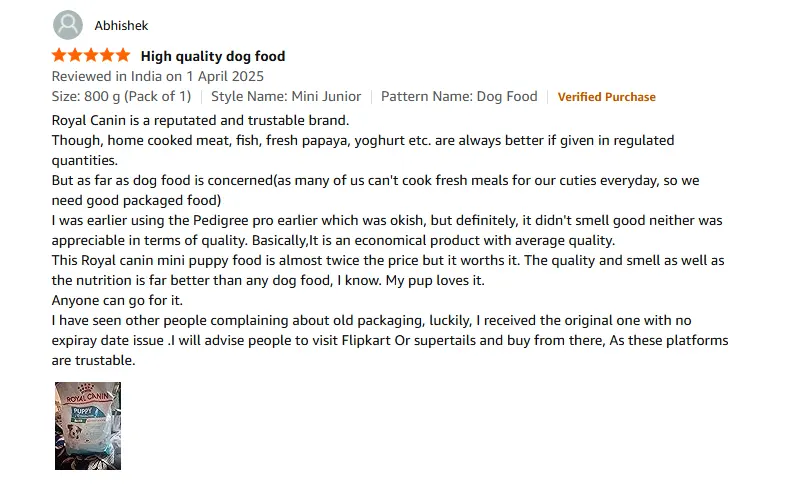
Common review highlights (from Amazon):
- Noticeable improvement in coat shine
- Better digestion and fewer loose stools
- Dogs accept the food easily (good palatability)
2. Farmina N&D Dog Food (Grain-Free & Low-Grain)
Best for: Dogs with sensitive stomachs or allergies
Why pet parents like it:
Farmina N&D uses high-quality animal protein and avoids artificial preservatives.
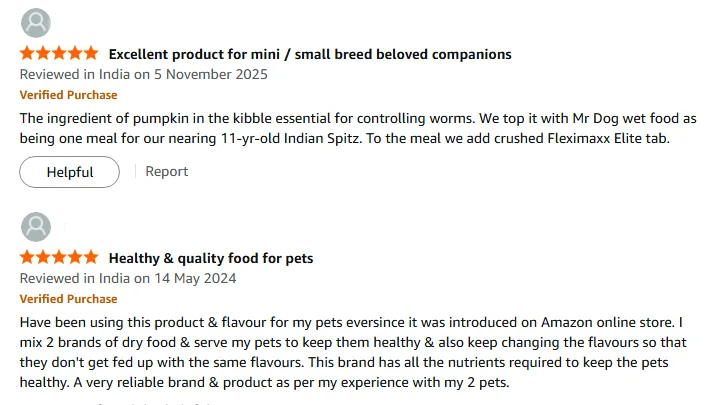
Common review highlights:
- Reduced skin itching and allergies
- Firmer stools and better gut health
- Premium quality ingredients (but slightly expensive)
3. Pedigree Dry Dog Food (Budget-Friendly Option)
Best for: First-time dog owners, budget-conscious families
Why pet parents like it:
Pedigree is widely available and affordable, making it a common choice for Indian households.
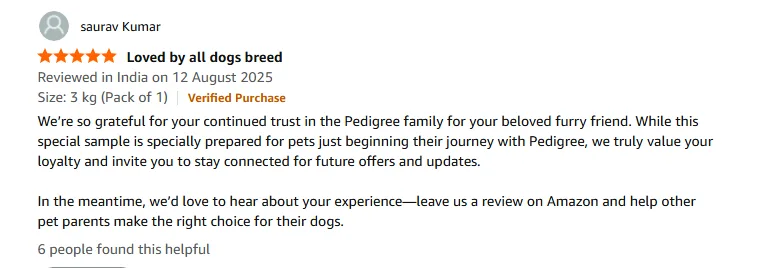
Common review highlights:
- Easy availability online and offline
- Dogs enjoy the taste
- Works well when combined with home food
4. Drools Focus / Drools Optimum
Best for: Indian dog breeds and active dogs
Why pet parents like it:
Drools offers high-protein formulas at a mid-range price.
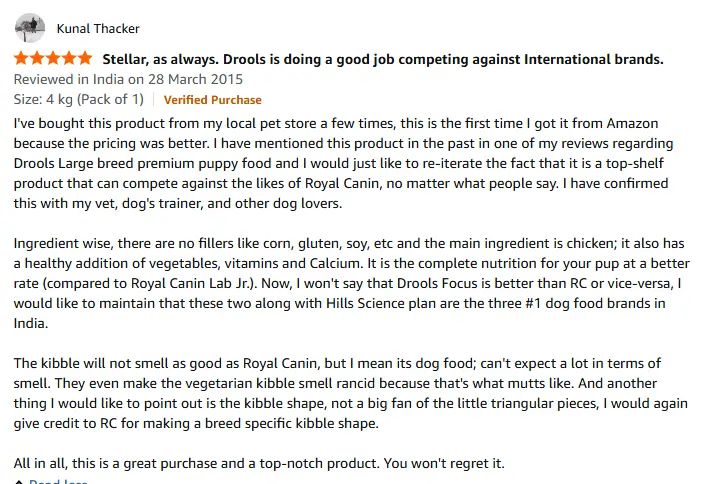
Common review highlights:
- Good value for money
- Suitable for Indie dogs and large breeds
- Visible improvement in energy levels
5. Orijen Dog Food (Premium International Brand)
Best for: Highly active dogs, working breeds
Why pet parents like it:
Orijen follows a biologically appropriate diet with very high meat content.
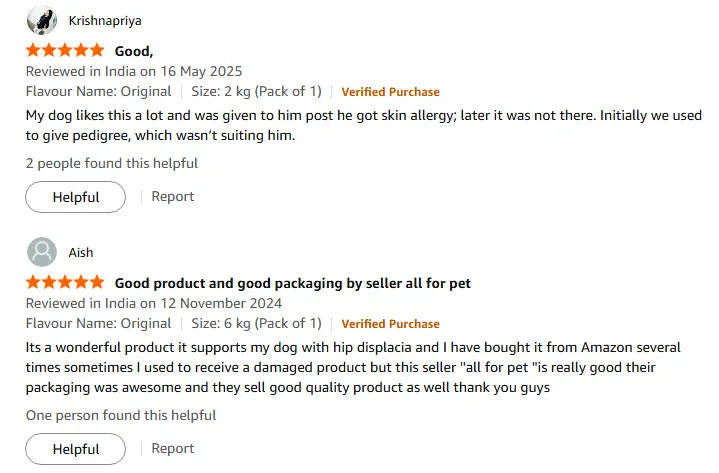
Common review highlights:
- Excellent muscle development
- Improvedstamina
- Very expensive but high quality
What to Check Before Buying foods for Dogs :
- Ingredient list (first 3 ingredients matter most)
- Age & breed suitability
- Customer reviews (look for digestive issues)
- Return & authenticity guarantee
Common Dog Feeding Mistakes
Many dog health issues start with food mistakes, such as: .
- Overfeeding because “dog looks hungry”
- Mixing human food randomly
- Sudden food changes or switching brands too often
- Ignoring water intake
- Feeding cheap food long-term
Even the best food for dogs works only when paired with correct portion size and consistency.
How to Transition to New Dog Food Safely
Never change food suddenly. Follow the 7-day transition rule:
- Day 1–2: 25% new + 75% old
- Day 3–4: 50% new + 50% old
- Day 5–6: 75% new + 25% old
- Day 7: 100% new food
This prevents diarrhea and stomach upset.
Is Homemade Food Better Than Branded Food?
There is no universal answer, homemade food is better only if:
- Nutrients are balanced
- Protein is sufficient
- Calcium & vitamins are included
Otherwise, a good branded dry food is safer.
Final Thoughts: What Is Truly the Best Food for Dogs?
The best food for dogs is not about trends or advertisements.
It’s about:
- Your dog’s body
- Their digestion
- Their energy
- Their long-term health
A healthy dog is not created by fancy packaging, but by consistent, thoughtful feeding choices. As real pet parents at FurryGuide, we always recommend: Choose food that keeps your dog healthy not just full.
FAQs for Best Food for Dogs
What is the best food for dogs in India?
High-quality dry food like Royal Canin, Farmina, or properly balanced homemade meals.
Can dogs eat only homemade food?
Yes, but only if nutrition is balanced otherwise deficiencies may occur.
Is grain-free dog food better?
Not always. Some dogs digest grains well; grain-free is useful for allergies.
How often should dogs be fed?
Adult dogs: twice daily
Puppies: 3–4 times daily
Is milk good for dogs?
Small amounts are okay for some dogs, but many are lactose intolerant.
Can dogs eat rice daily?
Yes, rice is safe and commonly used in Indian dog diets.
How do I know if dog food suits my dog?
Good digestion, shiny coat, normal stool, stable energy.
Is raw food safe for dogs?
Only under expert guidance, raw feeding carries risks.
Should I change dog food brands often?
No. Stick to one good food unless issues arise.
What foods should dogs never eat?
Chocolate, grapes, onions, garlic, xylitol, alcohol.
Connect With FurryGuide
For more real-life pet care tips, breed guides, and grooming advice:
- Instagram :- @furryguide_
- Facebook :- FurryGuide.com
- WhatsApp Channel :- FurryGuide – Pet Care & Dog Tips
- Pinterest :- @furryguide
Experience Note:
This article is written by Ankita, a long-time pet parent and content creator at FurryGuide, and reviewed by Satyendra, founder of FurryGuide, based on real-life dog care experience.