
Table of Contents.
Table of Contents
Introduction
The German Shepherd is among the world’s most beloved dog breeds. Known for its intelligence, loyalty, and protective nature, the German Shepherd is often regarded as the best family and working dog. Whether it’s law enforcement, military, or a loving home, the German Shepherd dog breed has proven time and again why it is considered a legend among dogs.
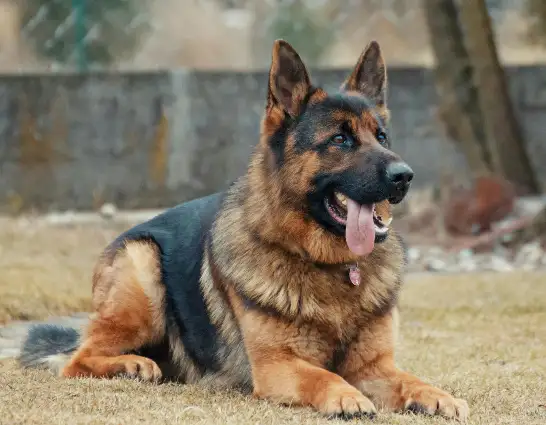
In this article, at FurryGuide, we will cover everything you need to know about- its history, physical traits, temperament, training tips, diet and nutrition, grooming needs, lifespan, price in India, and why this breed continues to trend on social media.
History & Origin
The German Shepherd originated in Germany in the late 19th century. Captain Max von Stephanitz is credited with developing the breed by combining various herding dogs to create the ideal working dog. Over time, the breed became famous not only as a herding dog but also as a military and police dog during World War I and II.
Internationally recognized for its adaptability and loyalty, the German Shepherd serves both an exceptional working dog and a cherished companion.
Physical Characteristics of German Shepherd
These are pretty cool dogs – they’re medium to large-sized, super muscular, and really athletic. Their physical strength, alert expression, and graceful movement make them stand out.
| Feature | Details |
| Height | Males: 24–26 inches, Females: 22–24 inches |
| Weight | Males: 30–40 kg, Females: 22–32 kg |
| Coat Type | Double coat – dense, straight, and weather resistant |
| Colors | Black & Tan, Black & Red, Sable, Solid Black, Bi-color |
| Body Structure | Strong, muscular, deep chest, erect ears, bushy tail |
The dog has an alert, confident, and noble look that matches its working personality.
Temperament & Personality
The temperament is one of its most admired qualities. They are:
- Extremely loyal to their families
- Protective and natural guard dogs
- Highly intelligent and quick learners
- Playful yet disciplined when trained properly
- Courageous and fearless in risky situations
They are often called a “one-man dog” because of its deep bond with its primary owner. With proper socialization, however, they do well with families and children.
Exercise Needs
The breed is highly energetic and needs daily exercise to stay healthy. They can become bored and destructive due to lack of proper outdoor activity.
- At least 1–2 hours of exercise daily
- Activities: walking, jogging, fetch, agility, swimming
- Mental stimulation: puzzle toys, obedience training, scent game.
German Shepherds are happiest when they’re good and tired.
Grooming & Care
German Shepherd grooming is moderate but consistent. Their double coat sheds year-round and heavily during shedding seasons.
- Brush coat 3–4 times a week
- Bathe once every 6–8 weeks
- Clean ears to prevent infections
- Trim nails regularly
- Brush teeth weekly
Though grooming requires time, it keeps the coat shiny and reduces shedding inside your home.
Diet & Nutrition
To ensure their health and energy properly feed a German Shepherd according to these
- Puppies: For brain development high protein rich puppy food with DHA
- Adults: Balanced diet with lean protein, good fats, and essential vitamins
- Seniors: Low-fat, easy-to-digest diet to prevent obesity
Recommended foods for diet:
- Royal Canin German Shepherd Adult Dog Food
- Orijen Large Breed Dog Food
- Pedigree Pro Expert Nutrition for Active Dogs
Treats can be given during training, but avoid overfeeding to prevent obesity.
German Shepherd Lifespan & Health Issues
The average lifespan of these breed is 9–13 years. While they are generally healthy, some common health problems include:
- Hip and elbow dysplasia
- Degenerative myelopathy
- Bloat (gastric torsion)
- Allergies and skin infections
Regular vet check-ups, vaccinations, and a balanced diet help improve the lifespan of Shepherds.
Price in India
The price in India depends on breeder reputation, location, and lineage.
- Pet quality: ₹15,000 – ₹25,000
- Show quality : ₹30,000 – ₹60,000
- Imported bloodline : ₹60,000 – ₹1,00,000+
Always buy from reputable breeders to avoid health or behavioural issues.
Pros & Cons of German Shepherd
| Pros | Cons |
| Intelligent and highly trainable | Requires daily exercise |
| Great family dog with proper socialization | Needs consistent training |
| Loyal and protective | Prone to some health issues |
| Versatile (working + companion dog) | Heavy shedding year-roun |
5 Essential Training Tips for a German Shepherd Dog (From Real-Life Experience)
Training a German Shepherd dog is not just about teaching commands – it’s about shaping their intelligence, confidence, and protective instincts in the right direction. Shepherds are one of the smartest dog breeds in the world, but that intelligence needs proper guidance. Based on real-life experience of raising and observing Shepherds closely, here are five essential training tips every owner should follow.
1. Start Training Early, But Keep It Calm and Structured
A puppy learns incredibly fast, especially between 8 weeks to 6 months. This is the phase when habits are formed for life. However, many owners make the mistake of rushing training or expecting instant obedience.
Instead of strict drills, begin with short, calm, and consistent sessions. Focus on basics like name response, sit, stay, and leash walking. German Shepherd dogs respond best when training feels like teamwork rather than force.
From personal experience, early gentle training builds trust between you and your pet, that trusts you, and will listen even without treats.
2. Use Positive Reinforcement, Not Fear
German Shepherd dogs are emotionally intelligent. They don’t just follow commands, they read your tone, body language, and mood. Harsh corrections or shouting can make them anxious or defensive, which is risky in a protective breed.
Reward-based training works far better. Praise, food rewards, and even playtime reinforce good behavior. Over time, your German Shepherd starts working to please you, not to avoid punishment.
This approach also prevents aggression issues later, which is a common concern many people have with this breed.
3. Mental Training Is as Important as Physical Exercise
One mistake many owners make is focusing only on physical exercise. Yes, Shepherd dogs need daily walks and activity — but mental stimulation is equally important.
Puzzle toys, scent games, obedience challenges, and new commands keep their brain engaged. A mentally bored Shepherd can develop destructive habits like chewing, digging, or excessive barking.
A well-trained German Shepherd is not the one who runs the most – it’s the one who thinks the best.
4. Socialization Training Is Non-Negotiable
German Shepherd dogs are naturally protective. Without proper socialization, that instinct can turn into fear or over-guarding behavior.
Expose your dog early to:
- Different people
- Children
- Other dogs
- Traffic sounds
- New environments
This doesn’t mean forcing interaction – it means controlled exposure. A well-socialized Shepherd grows into a calm, confident dog that can distinguish between real threats and normal situations.
This single step makes a massive difference in how balanced your dog becomes as an adult.
5. Be Consistent – German Shepherds Remember Everything
German Shepherd dogs are extremely observant. If you allow a behavior once and punish it later, they get confused. Consistency is the foundation of successful training.
Use the same commands, same rules, and same routine daily. If jumping on the sofa is not allowed today, it shouldn’t be allowed tomorrow either. This clarity helps your German Shepherd feel secure and disciplined.
From experience, consistency builds respect and with German Shepherds, respect matters more than dominance.
Stay Connected with FurryGuide
For more adorable breed guides, training tips, and cute dog stories –
Follow us on:
Instagram | Facebook | Pinterest
Conclusion
The German Shepherd remains one of the most popular and admired dog breeds in the world. With unmatched intelligence, loyalty, and courage, they are equally suited for families, working roles, and companionship.
Whether you’re bringing home a puppy, planning training, or simply exploring their history and traits, this breed never fails to impress. Proper care, diet, grooming, and exercise will ensure your dog lives a long, healthy, and happy life.
If you’re looking for a dog that is both a guardian and a friend, the German Shepherd is the perfect choice.
FAQs
Is a German Shepherd suitable for first-time dog owners?
Yes, with the right training and socialization, they can be a great choice for first-time owners. They are intelligent and eager to please, but they do need regular exercise and consistent training.
How much exercise does a German Shepherd need daily?
A German dog needs at least 60–90 minutes of physical activity every day. This can include walks, playtime, training exercises, or agility activities to keep them mentally and physically fit.
Can German Shepherds live in apartments?
Yes, they can adapt to apartment living if given sufficient daily exercise and mental stimulation. However, they thrive best in homes with space to move around freely.
Are German Shepherds aggressive by nature?
No, they are not naturally aggressive. They are protective, loyal, and alert — aggression usually occurs only if they are untrained, neglected, or improperly socialized.
What type of diet is best for a German Shepherd?
A balanced diet rich in high-quality protein, healthy fats, and essential vitamins is ideal. Foods specifically formulated for large, active breeds are recommended for maintaining their energy and joint health.
Do German Shepherds shed a lot?
Yes, these breed dogs are known as “heavy shedders.” They shed moderately throughout the year and more heavily twice a year during seasonal changes. Regular brushing helps manage shedding.
How long can a German Shepherd live?
The average lifespan is 9–13 years, depending on genetics, diet, exercise, and regular veterinary care.
Are German Shepherds good with children?
Absolutely! They are known for their protective instincts and patience, making them great companions for children when raised and socialized properly.
Can German Shepherds be left alone for long hours?
It’s not recommended to leave a German Shepherd alone for more than 6–8 hours regularly. They are social dogs and may develop anxiety or destructive behaviours if left alone frequently.
Are male or female German Shepherds better as family pets?
Both are excellent choices. Males are often larger and more protective, while females tend to be more affectionate and easier to train. The best choice depends on your lifestyle and family needs.
Pingback: 7 Best Recipes of Homemade Food for Dogs: Vet-Approved
Pingback: 14 Common Dog Health Problems and How to Keep Your Pet Safe
Pingback: Indie Dog Breed: Complete Guide & 10 Pros&Cons - Furry Guide
Pingback: Dog Grooming at Home: Recommended Step-by-Step Guide
Pingback: Crate Training a Puppy: Smart & Stress-free Complete Guide