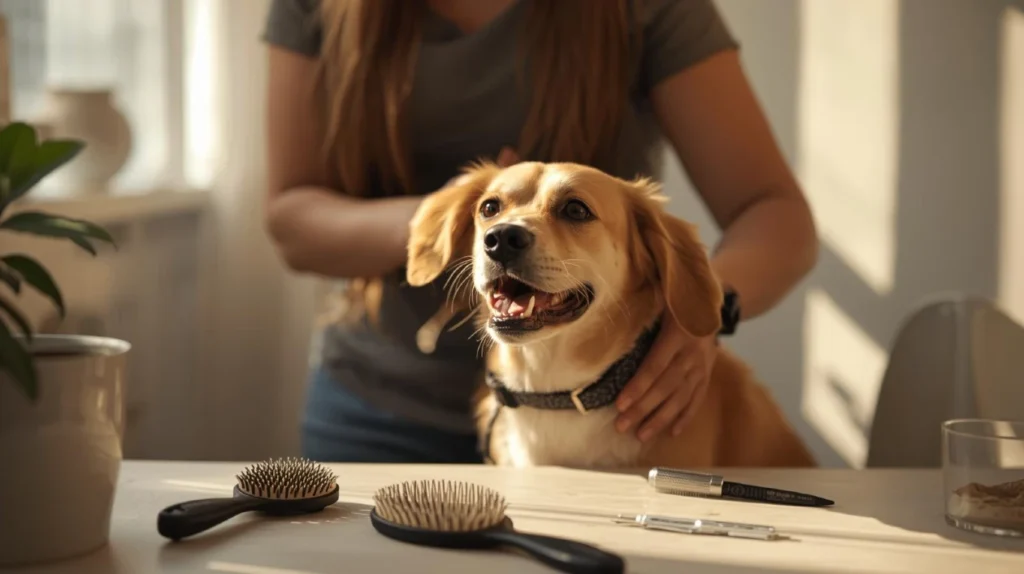
Grooming your dog at home is not just about saving money on salon visits. It is about building trust and bonding, understanding your dog’s body better, and keeping them comfortable, clean, and healthy every day. Many pet parents think professional grooming is the only option, and dog grooming can feel confusing or even scary at first. Questions like “What if I hurt my dog?”, “Which tools should I use?” or “How often should I groom?” are very common.
Based on real-life pet parenting experience, the good news is this: dog grooming at home is completely manageable for beginners, as long as you follow the right steps and understand your dog’s needs. This furryguide will walk you through the entire process in a simple, stress-free way, so both you and your dog can enjoy grooming time.
Whether you have a Pomeranian, Labrador, German Shepherd, Indie dog, or Beagle, learning dog grooming at home can save money, reduce stress for your dog, and help you notice health issues early.
This article is written for first-time dog owners as well as those who want to shift from professional grooming to safe home grooming.
Table of Content
Table of Contents
Why Dog Grooming at Home Is Important
Dog grooming is not only about appearance. It plays a major role in your dog’s overall health and hygiene. When you groom your dog regularly at home, It will help in these
- Reduce skin infections and matting
- Control excessive shedding
- Prevent ticks, fleas, and ear infections
- Detect lumps, wounds, or skin allergies early
- Strengthen trust and bonding with your dog
Regular grooming also helps reduce shedding, controls bad odor, prevents matting, and keeps your dog comfortable in different weather conditions especially important for Indian climates.
Dogs that are groomed at home from a young age usually become calmer and more cooperative over time. Especially breeds like German Shepherds and Pomeranians are get anxious at grooming salons, home grooming keeps them calm in a familiar environment.
Understanding Your Dog Before You Start Grooming
Before touching any grooming tool, it’s important to understand your dog’s coat type, age, and temperament. Short-coated dogs like Labradors or Dobermans need less grooming compared to long-haired breeds like Pomeranians or Shih Tzus. Puppies need gentler handling, while senior dogs may require slower movements due to joint sensitivity.
If your dog is anxious or fearful, grooming sessions should be short and positive. Never force grooming. Instead, build trust slowly using calm voice, gentle touch, and rewards.
What You Need Before You Start Dog Grooming at Home
Before touching scissors or shampoo, preparation is key. Beginners often make mistakes by starting without proper tools.
Basic Dog Grooming Kit for Home
You don’t need expensive equipment. Start with:
- Soft dog brush (slicker or pin brush depending on coat)
- Dog-specific shampoo (never human shampoo)
- Nail clipper or grinder
- Cotton pads (not earbuds) for ears
- Microfiber towel
- Dog toothbrush & toothpaste
- Anti-slip mat (for bathroom floor)
From real experience guiding you, investing in the right brush for your dog’s coat makes grooming 50% easier.
Preparing for Dog Grooming at Home
Preparation makes home grooming much easier and safer. Choose a quiet, well-lit area where your dog feels relaxed. Avoid grooming when your dog is already excited or tired. A calm mindset of both yours and your dog’s is essential.
Having all tools ready beforehand avoids unnecessary breaks that may stress your dog. Talk to your dog throughout the process. Your voice plays a huge role in keeping them calm.
Step By Step Routine for Dog Grooming at Home
Step 1: Brushing Your Dog Properly
Brushing is the foundation of dog grooming at home. Brushing should always come before bathing. It removes loose hair, prevents tangles, improves blood circulation, and keeps the coat healthy.
For short-haired dogs (like Labrador retriever, Indie dogs) need brushing 2–3 times a week is usually enough. Long-haired dogs (like Pomeranians, Golden Retriever) may need daily brushing to prevent mats. Always brush in the direction of hair growth and start gently, especially around sensitive areas like the belly and behind the ears.
Regular brushing also reduces the amount of hair on furniture and helps keep your home cleaner.
Step 2: Bathing Your Dog the Right Way
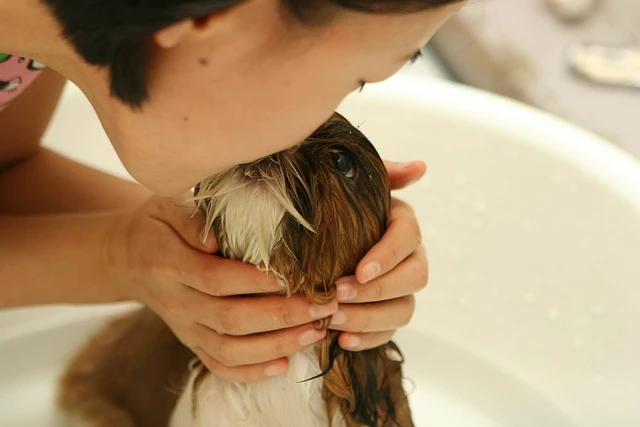
Bathing is one of the most misunderstood parts of dog grooming. Many beginners either bathe their dog too often or too rarely.
Common Dog Bathing Frequency Based on Coat Type
The ideal bathing frequency for dogs depends mainly on their coat type, lifestyle, and skin sensitivity. Bathing too often can dry out the skin, while bathing too little can lead to odor and infections.
- Short-coat dogs (like Beagle, Boxer) usually need a bath once every 4–6 weeks, as their coat doesn’t trap much dirt.
- Medium-coat dogs (like Labrador, Indie dogs) can be bathed every 3–4 weeks, especially if they spend time outdoors.
- Long-coat dogs (like Golden Retriever, Shih Tzu) may need bathing every 2–3 weeks to prevent matting and odor.
- Double-coat breeds (like German Shepherd, Husky) should be bathed every 6–8 weeks, as frequent baths can damage natural oils.
- Curly or hypoallergenic coats (like Poodles) usually require bathing every 3–4 weeks, along with regular brushing.
Always use a dog-specific shampoo, never human shampoo, as it can damage your dog’s skin barrier. Use lukewarm water and wet your dog slowly, starting from the back and moving toward the legs. Avoid pouring water directly on the face.
After shampooing, rinse thoroughly. Any leftover shampoo can cause itching or skin irritation.
Safe bathing tips:
- Use lukewarm water only
- Dilute shampoo before applying
- Avoid eyes, ears, and nose
- Rinse thoroughly
Step 3: Drying After the Bath
Drying is just as important as bathing. Leaving your dog damp can lead to fungal infections, especially in humid weather.
Use a clean towel first and gently pat dry. If your dog is comfortable, you can use a hair dryer on low heat and low speed, keeping it at a safe distance. Never force a dryer on a scared dog.
Make sure areas like paws, ears, armpits, and under the neck are completely dry. For thick-coat breeds, proper drying is extremely important.
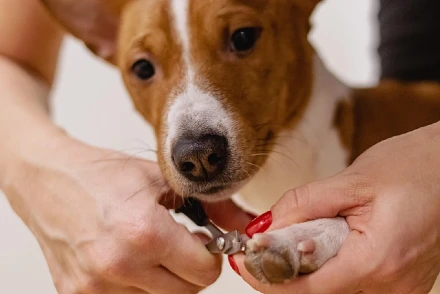
Step 4: Nail Trimming for Beginners
Nail trimming is often the most feared part of dog grooming at home, but with patience, it becomes manageable. Trim nails every 3–4 weeks.
Long nails can cause:
- Pain while walking
- Posture Issues
- Joint stress
- Scratches on floors and skin
Beginner tip:
Cut only the white tip. If unsure, trim small amounts gradually. Trimming small portions at a time to avoid cutting the quick (the blood vessel inside the nail). If your dog has dark nails and you’re unsure, trim very little or consult a vet initially. If your dog resists nail trimming, break it into shorter sessions, trim one or two nails per day and reward them after each nail.
Step 5: Ear Cleaning and Ear Care
Ear hygiene is often ignored, but it’s crucial, especially for floppy-eared breeds like Beagles, Cocker Spaniels and Golden Retriever.
Check your dog’s ears weekly. If you notice redness, bad smell, or excessive wax, clean gently using a vet-recommended ear cleaner and cotton pad. Never insert cotton buds deep inside the ear. Never pour liquid directly into the ear canal.
Routine cleaning can avoid these signs of ear issues:
- Bad smell
- Excessive scratching
- Head shaking
- Redness
Regular ear checks help prevent painful infections, if symptoms are excessive consult a vet.
Step 6: Dental Care and Oral Hygiene
Dental health directly affects your dog’s overall health. Poor oral hygiene can lead to infections, tooth loss, and even heart issues.
Brush your dog’s teeth 2–3 times a week using dog toothpaste. Start slowly and make it a positive experience. If brushing is not possible initially, dental chews can help, but brushing is always the best option.
Poor dental hygiene can lead to heart and kidney issues over time.
Step 7: Paw, Eye, and Skin Checks
While grooming, always check your dog’s paws for cracks, injuries, or foreign objects. Clean between the paw pads, especially after outdoor walks.
Eyes should be clear and free from discharge. Gently wipe with a damp cloth if needed. Check the skin for ticks, fleas, redness, or unusual bumps. Early detection can prevent bigger health issues.
Common Mistakes Beginners Should Avoid
Many beginners make the mistake of rushing grooming or using incorrect products. Dog grooming at home should never feel like punishment to your dog. Avoid grooming when your dog is stressed, sick, or extremely tired.
Many first-time pet parents unintentionally harm their dog by:
- Bathing too frequently
- Using sharp or wrong grooming tools
- Forcing grooming instead of calming the dog
- Ignoring brushing between baths
- Skipping ear and dental care
Always remember consistency and gentleness matter more than perfection.
Grooming Puppies vs Adult Dogs
Puppies should be introduced to grooming sessions slowly. Short sessions, lots of praise, and treats help build positive associations. While Adult dogs may take time to adjust if they were never groomed before, but patience works wonders.
Safety Tips for Dog Grooming at Home
Never use sharp tools without proper knowledge. If your dog shows pain or extreme fear, stop and try later. For complex grooming needs like heavy mat removal or skin conditions, professional help is recommended.
Based on our real-life dog grooming experience at home, we’ve also created a beginner-friendly guide called 10 Best Dog Grooming Tips Every Pet Owner Should Know”. In that article, we share practical mistakes we made, simple hacks that actually worked, and easy grooming routines every pet parent shold know.
How Often Should You Groom Your Dog at Home?
The frequency of grooming depends on your dog’s breed, coat type, and lifestyle. Active outdoor dogs need more frequent cleaning, while indoor dogs may need less.
As a general rule for dog grooming at home:
| Grooming Task | Frequency |
| Brushing | Daily to 3 times/week (depending on coat type) |
| Bathing | Every 3–4 weeks |
| Nail Trimming | Monthly |
| Ear Cleaning | Weekly |
| Teeth Brushing | 2–3 times/week |
Dog Grooming At Home is Enough or Do You Need a Professional?
Home grooming is enough for basic maintenance. Dog grooming at home does not replace veterinary care- it complements it.
Professional grooming may be needed for:
- Heavy matting
- Breed-specific haircuts
- Medical grooming needs
For most family dogs, a mix of home grooming + occasional professional grooming works best.
Conclusion- Is Home Grooming Worth It?
Yes, Dog grooming at home is one of the best habits a pet parent can develop, it is a skill every responsible pet parent should learn. It strengthens your bond, keeps your dog healthy, comfortable, emotionally secure and gives you confidence as an owner. You don’t need to be perfect, you just need to be consistent, gentle, and observant.
With time, grooming will no longer feel like a task, but a shared routine your dog looks forward to. Soon grooming time becomes bonding time, something no grooming salon can replace.
A well-groomed dog is not just clean; it’s healthier, happier, and more confident.
Connect With FurryGuide
For more real-life pet care tips, breed guides, and grooming advice:
- Instagram :- @furryguide_
- Facebook :- FurrryGuide.com
- WhatsApp Channel :- FurryGuide – Pet Care & Diet Tips
- Pinterest :- @furryguide
FAQs on Dog Grooming at Home
Can beginners really groom dogs at home?
Yes. With the right tools and patience, beginners can safely groom dogs at home.
How long does home grooming take?
Usually 30–60 minutes depending on breed and coat length.
Is grooming stressful for dogs?
Only if rushed. Patiencetly and calm handling and positive reinforcement reduce stress.
What if my dog hates grooming?
Start with calm mind, slow and short grooming sessions, and reward them for their cooperation and good behavior.
Can I groom puppies at home?
Yes, gentle grooming from an early age helps puppies adjust better.
How do I reduce shedding at home?
Regular brushingof coat and a balanced dietwith good portion help control shedding.
How often should you bathe your dog?
Every 3–4 weeks is enough for most breeds. Over-bathing can cause dry skin and itching.
Author Note
This guide is written by Ankita, a long-time pet parent and content creator at FurryGuide.com, based on hands-on dog care experience, and reviewed by Satyendra, founder of FurryGuide, focusing on safe and practical pet care.
Pingback: Skin Problems in Dogs: Causes, Symptoms & Prevention Guide
Pingback: Cane Corso Dog Breed: Powerful, Loyal, but Not for Everyone
Pingback: How to Potty Train a Puppy Easy & Complete Guide