
The Pomeranian dog breed may be small in size, but anyone who has lived with one knows they come with a big personality and even bigger emotions. With their fluffy coat, bright eyes, and alert expression, Pomeranians often look like living teddy bears but behind that cute face is a smart, confident, and sometimes surprisingly bold dog.
At FurryGuide, we’ve seen firsthand how Pomeranians are often misunderstood. Many people think they are just “lap dogs,” but in reality, a Pomeranian needs proper care, routine, mental stimulation, and emotional bonding to truly thrive. Without the right guidance, new pet parents can struggle with issues like excessive barking, grooming confusion, or health problems related to diet and weight.
Small breeds like Pomeranians share some care similarities with other companion dogs such as the Beagle dog breed, but their grooming and coat care are completely different.
This complete guide on the Pomeranian dog breed is written to help both first-time dog owners and experienced pet parents understand what it really takes to raise a happy, healthy Pomeranian. From daily grooming needs to long-term care responsibilities, this article focuses on real-life pet parenting experience, not just textbook information. Whether you’re planning to bring a Pomeranian home or already share your life with one, this guide will help you make informed, responsible choices. Keeping in mind the climate conditions of India and U.S.
Table of Contents
History & Origin of the Pomeranian Dog Breed
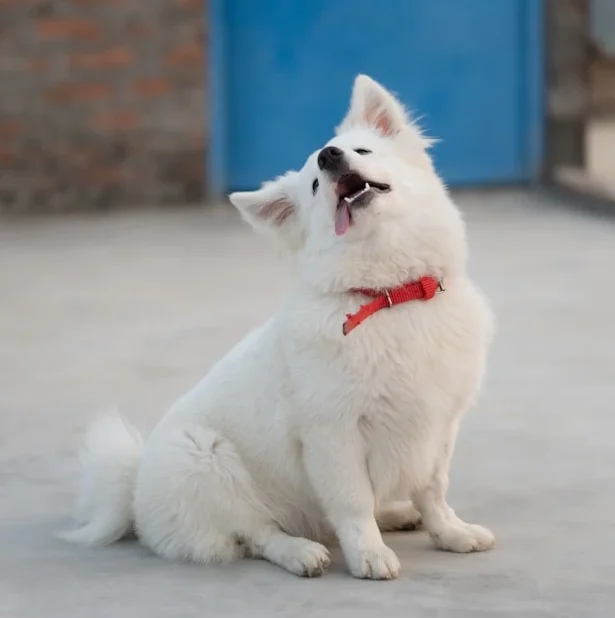
The Pomeranian dog breed originated from the region of Pomerania (modern-day Poland and Germany). Surprisingly, its ancestors were large working dogs – Spitz-type sled dogs. Over time, selective breeding turned them into miniature versions suitable for companionship.
Their popularity skyrocketed when Queen Victoria owned and bred Pomeranians, making them fashionable across Europe. Today, they are among the most loved toy dog breeds worldwide, including India.
Physical Appearance & Size
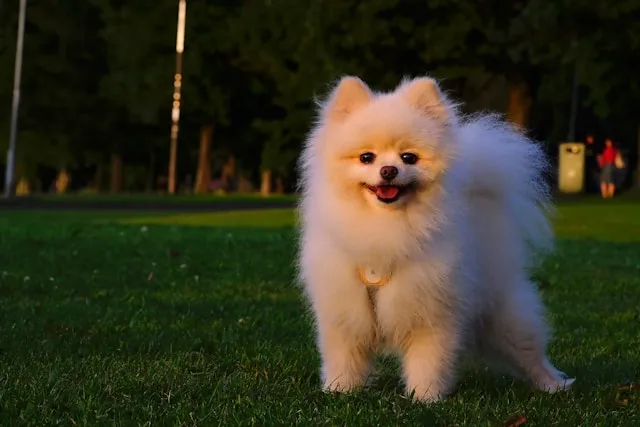
The Pomeranian dog breed is famous for its fox-like face, fluffy double coat, and compact size – making it one of the most recognizable toy dog breeds globally. Despite their tiny body, Pomeranians carry themselves with an air of confidence and royalty, often referred to as “little lions” because of their mane-like fur around the neck.
A Pomeranian dog breed has a short body, fine bone structure, and a plumed tail that curls perfectly over its back, adding to its elegant and show-dog appeal. Their expressive almond-shaped eyes radiate attentiveness and curiosity, while their pointed ears give them a playful alert look. One of their most striking features is the luxurious double coat – a soft, dense undercoat beneath a long, straight outer coat that creates volume and fluff. The coat comes in over 20+ colors, ranging from orange, cream, white, black, sable, chocolate, and tricolor, making them incredibly diverse in appearance.
Although small in size, the Pomeranian dog breed fits into the toy category with a height of around 7-12 inches and weight typically between 1.8–3.5 kg (4–8 pounds). Their build is compact yet well-balanced, giving them an lively posture. Their overall physical charm combines elegance, alertness, and cuteness – one big reason why Pomeranians are widely admired in India and internationally.
Pomeranian Dog Breed Physical Features Table
| Feature | Description |
| Body Size | Small and compact |
| Height | 7–12 inches (adult) |
| Weight | 1.8–3.5 kg (4–8 lbs) |
| Coat Type | Double-coated — soft undercoat + long fluffy outer coat |
| Coat Texture | Straight, voluminous, mane-like |
| Common Coat Colors | Orange, white, black, cream, sable, chocolate, blue, tricolor |
| Eye Shape & Color | Almond-shaped, dark and bright |
| Ear Type | Small, erect, triangular ears |
| Tail Style | Plumed tail carried high over the back |
| Face Structure | Fox-like pointed muzzle with a refined expression |
| Frame & Bone | Light-boned but sturdy posture |
| Appearance Category | Cute, alert, lion-like fluffy look |
Their signature feature is their luxurious fluffy coat, which makes them look larger than they are.
Temperament & Personality
The Pomeranian dog breed may be tiny in size, but their personality is far from small. Known as “big dogs in small bodies,” Pomeranians (often called Pomeranians, Poms, or Toy Spitz) are confident, alert, expressive, and deeply affectionate companions. They thrive in loving homes where they receive attention, playtime, and interaction.
Pomeranians are highly intelligent, meaning they learn tricks quickly and enjoy mental challenges. Their alert nature makes them surprisingly good watchdogs – they instantly notice new sounds or strangers and don’t hesitate to alert their owners. However, early training is helpful to prevent excessive barking.
Social and cheerful by nature, the Pomeranian dog breed bonds closely with families, especially when raised with gentle handling and positive reinforcement. They love interactive play, small walks, puzzle toys, and cuddle time. Around children, supervision is recommended – not because Poms are unsafe, but because their tiny size makes them fragile, and rough handling can hurt them.
Their temperament can be described as:
- Affectionate and loving
- Smart and curious
- Alert and vocal
- Energetic but manageable indoors
- Confident with a bold personality
If socialization starts early, the Pomeranian dog breed is friendly with guests, other pets, and outdoor environments. Their expressive face and lively personality make them wonderful emotional companions.
Diet & Nutrition Requirements of the Pomeranian Dog Breed
The Pomeranian dog breed may be small in size, but their nutritional needs are very specific. From real pet-parent experience, one common mistake many owners make is feeding Pomeranians either too much food or the wrong type of food, which can quickly lead to obesity, dental problems, or digestive issues.
Pomeranians have a fast metabolism, but at the same time they are prone to weight gain if portion control is ignored. Their diet should always focus on high-quality protein, healthy fats, and easily digestible carbohydrates.
A well-balanced diet for a Pomeranian should primarily include animal-based protein such as chicken, turkey, fish, or lamb. Protein helps maintain muscle tone, energy levels, and coat health. Along with protein, healthy fats like omega-3 and omega-6 fatty acids are extremely important for this breed, as they support the famous fluffy coat and keep the skin healthy.
Carbohydrates should come from digestible sources like rice, oats, or sweet potatoes. Avoid cheap fillers such as corn, soy, and wheat, as these often trigger allergies in Pomeranians. Vegetables like pumpkin, carrots, spinach, and beans can be added in small amounts to improve digestion and provide vitamins.
Homemade Food vs Dry Dog Food: Both homemade food and high-quality commercial dog food can work well for Pomeranians, as long as nutrition is balanced.
Homemade meals should be prepared carefully and here is a important checklist of nutrition:
- Lean protein
- Carbohydrates
- Vegetables
- A vet-approved calcium source
- Healthy fats
If you are planning to make homemade foods for your pet,
If using dry dog food, always choose small-breed-specific kibble, as Pomeranians have tiny jaws and are prone to dental issues. The kibble size should be small and crunchy to help reduce plaque buildup.
Feeding Schedule for the Pomeranian Dog Breed
Pomeranian puppies should be fed 3–4 small meals a day because their tiny stomachs cannot handle large portions. Adult Pomeranians usually do well with 2 balanced meals per day, while senior dogs may require lighter meals with joint-support supplements.
Portion control is critical. Overfeeding, even by small amounts, can lead to obesity very quickly in this breed.
| Age Group | Feed Frequency |
| 2–6 months | 3–4 meals/day |
| 6–12 months | 2–3 meals/day |
| Adults | 2 balanced meals/day |
Pomeranians have small stomachs, so avoid one big heavy meal.
Foods to Avoid for Pomeranians
From real-life experience, the following foods should never be given to a Pomeranian:
- Chocolate and caffeine
- Grapes and raisins
- Onions and garlic
- Fried, spicy, or sugary food
- Excess dairy products
- Chocolates
- Onions and garlic
- Grapes and raisins
- Excess salty snacks
- Sugary biscuits & bread
These foods can lead to toxicity, allergies, or obesity which is a common risk for the Pomeranian dog breed.
Extra Nutrition Tips
- Fresh water should always be available, especially during hot weather.
- Use small-breed formulated dog food, kibble size suits their tiny jaws.
- Include fish oil or salmon occasionally to enhance coat silky fluff.
- Avoid table scraps because Poms gain weight fast and obesity leads to breathing issues and joint stress.
- Regular access to fresh water is essential because they are active and dehydrate easily.
A well-balanced diet helps your Pomeranian dog breed maintain its iconic fluffy coat, energetic personality, and long, healthy life.
Grooming Needs
This breed needs consistent grooming due to its fluffy double coat.
Grooming Checklist
- Daily brushing (avoid tangles)
- Weekly bath or as needed
- Ear and eye cleaning
- Nail trimming every 3-4 weeks
- Coat trimming only by professionals
Their long coat sheds moderately, especially during seasonal shedding.
Exercise & Training Needs
Despite their size, Pomeranians are energetic.
Pomeranian exercise needs include:
- Two short walks daily
- Indoor playtime
- Puzzle toys for mental stimulation
Training should be:
- Reward-based
- Short but consistent
- With patience – they can be stubborn
Living Conditions: Do They Suit Apartments?
Absolutely yes!
The Pomeranian dog breed is one of the best apartment dogs because:
- Small space requirements
- Indoor play suffices
- Moderate exercise needs
However, their barking habits need training for neighbors’ peace.
Health Issues Common in Pomeranians
Like all breeds, they have some predispositions:
- Dental issues
- Luxating patella
- Tracheal collapse
- Skin allergies
- Obesity
- Tear staining
Routine vet visits and preventive care are essential. Unlike naturally hardy breeds such as the Indie dog breed, Pomeranians need closer monitoring for dental and joint issues.
Buying Guide & Pricing
If you want a Pomeranian puppy, choose a reputable breeder, avoid puppy mills.
Checklist before buying:
- Ask for vaccination records
- Check temperament of parents
- Look for clean environment
- Prefer ethical breeders over cheap sources
Price Range
| Region | Price |
| India | ₹10,000 – ₹45,000 (depends on coat, size & pedigree) |
| USA | $1,200 – $3,000 |
| UK | £900 – £2,000 |
Adoption from shelters is always recommended if available.
Pros & Cons of the Pomeranian Dog Breed
Pros
- Small apartment-friendly dog
- Loving and loyal companion
- Great with families
- Low food cost
- Intelligent and trainable
Cons
- Excessive barking tendency
- High grooming needs
- Fragile body — not ideal for rough handling
- Heat sensitivity
Social Media Links Section
Follow FurryGuide & Join Our Pet-Loving Community!
Instagram: @furryguide_ (Daily dog tips & reels)
Facebook page: FurryGuide.com (Pet parent discussions & Q/A)
WhatsApp channel: FurryGuide (Instant updates, tips & article alerts)
Final Thought
The Pomeranian dog breed may be tiny, but it carries a heart full of loyalty, joy, and love. If you want a companion that follows you everywhere, entertains you daily, and fits perfectly in apartment life – a Pomeranian might be your little soulmate.
But be ready to invest time in training, grooming, and attention — they thrive on love and interaction.
FAQs About the Pomeranian Dog Breed
Is the Pomeranian dog breed suitable for families?
Yes! The Pomeranian dog breed is highly suitable for families because it is affectionate, playful, and people-oriented. They enjoy attention, love cuddles, and bond deeply with their owners. However, due to their small size, supervision is advised when interacting with young children to avoid accidental injury.
How big does a Pomeranian grow?
On average, a Pomeranian dog breed weighs 1.5–3.5 Kg and stands 18–30 cm tall at the shoulder. They are categorized as toy breed dogs, making them ideal for apartments and small homes. There is also the teacup Pomeranian, which is even smaller, but teacups often face more health risks.
What colors are available in Pomeranians?
Pomeranians come in a wide range of colors including orange, black, white, cream, brown, blue, sable, and mixed patterns. Their fluffy double coat enhances their vibrant appearance and fox-like face.
Are Pomeranians easy to train?
Yes, the Pomeranian dog breed is intelligent and quick to learn, but they can be stubborn at times. Consistency, positive reinforcement, and early socialization make training smoother. Short training sessions work best.
How much grooming does a Pomeranian require?
Pomeranians have a thick double coat that requires brushing 3–4 times a week to prevent tangles and shedding. Regular grooming also includes bath every 3–4 weeks, trimming excess hair, and ear/teeth cleaning.
What is the lifespan of the Pomeranian dog breed?
The average lifespan of a Pomeranian dog breed is 12–16 years, depending on genetics, diet, exercise, and health care. Many live longer with proper care and healthy weight maintenance.
Do Pomeranians bark a lot?
Yes, the Pomeranian dog breed is vocal and may bark frequently to alert owners or seek attention. Training and socialization help control excessive barking behavior.
What are common health issues in Pomeranians?
Some common health problems include:
Luxating patella
Dental problems
Collapsed trachea
Hypothyroidism
Skin allergies
Regular vet visits help detect and manage these issues early.
How much exercise does a Pomeranian need?
Though tiny, the Pomeranian dog breed has good energy. They need 20–30 minutes of daily exercise, including playtime, short walks, and mental stimulation to stay healthy and happy.
What should I feed a Pomeranian?
A Pomeranian needs a balanced diet rich in:
Animal protein
Healthy fats
Omega fatty acids
Calcium and fiber
Avoid food with artificial ingredients or fillers. Small breed puppy formulas work well for Pomeranians.
Are Pomeranians expensive to own?
Yes, owning a Pomeranian dog breed can cost more than average toy breeds due to:
Grooming
Quality food
Vaccination
Occasional health issues
Prices vary: ₹8,000–₹60,000 in India and $500–$3,000 internationally.
Can Pomeranians live in hot climates?
Yes, but with care. Their double coat makes them heat-sensitive, so avoid long outdoor exposure in summer. Regular hydration, grooming, and shaded environments help.
Are Pomeranians good with other pets?
Generally, yes. The Pomeranian dog breed gets along with other small pets if socialized early. Some may act dominant, so supervised introductions help.
Can a Pomeranian stay alone at home?
Pomeranians can stay alone for 4–6 hours, but prolonged isolation can lead to anxiety, barking, or destructive habits. Interactive toys and slow feeders can help while you’re away.
How do I choose a healthy Pomeranian puppy?
Pick a reputable breeder, look for:
Active and playful behavior
Clear eyes and nose
Healthy coat
Vaccination records
Avoid puppy mills and always check breeder credibility.
Do Pomeranians shed a lot?
Yes — Pomeranians shed moderately, especially during seasonal shedding. Regular brushing reduces loose hair and keeps their fluffy coat neat. A deshedding tool can help control fur around the house.
Are Pomeranians good first-time pets?
Absolutely! The Pomeranian dog breed makes a wonderful choice for first-time owners because it’s manageable in size, easy to train, apartment-friendly, and emotionally affectionate — especially for families, elderly people, and beginners.
Can Pomeranians travel easily?
Yes, because they are lightweight and small, Pomeranians are travel-friendly dogs. Car trips and flights are easy with proper carrier training. Just be cautious of temperature and stress.
Do Pomeranians need professional grooming?
Professional grooming every 6–8 weeks helps maintain their coat, trim nails, clean ears, and keep fur manageable. Home grooming + salon care together ensures healthy skin and coat.
How do I prevent dental issues in Pomeranians?
Brush teeth 3–4 times weekly, use dental treats, and schedule vet cleanings annually. Dental hygiene is very important for small breeds like the Pomeranian dog breed, as they are prone to plaque buildup.
You may also read these blogs related to pets:
- Border Collie Dog: The Best Guide- History, Care, Diet
- Golden Retriever Dog Breed: 8 Qualities Make Them Special
- Labrador Retriever Dog Breed: 6 Helpful Must-Know Details
- Weiner Dog Breed Complete 101 Pet Care Guide
- Saint Bernards Dog Breed Complete 101 Guide
Pingback: Dog Grooming at Home: Recommended Step-by-Step Guide
Pingback: Best Food for Dogs in India (2026): Complete Nutrition Guide
Pingback: Lhasa Apso Puppies: Smart Care, Training & Nutrition Guide